
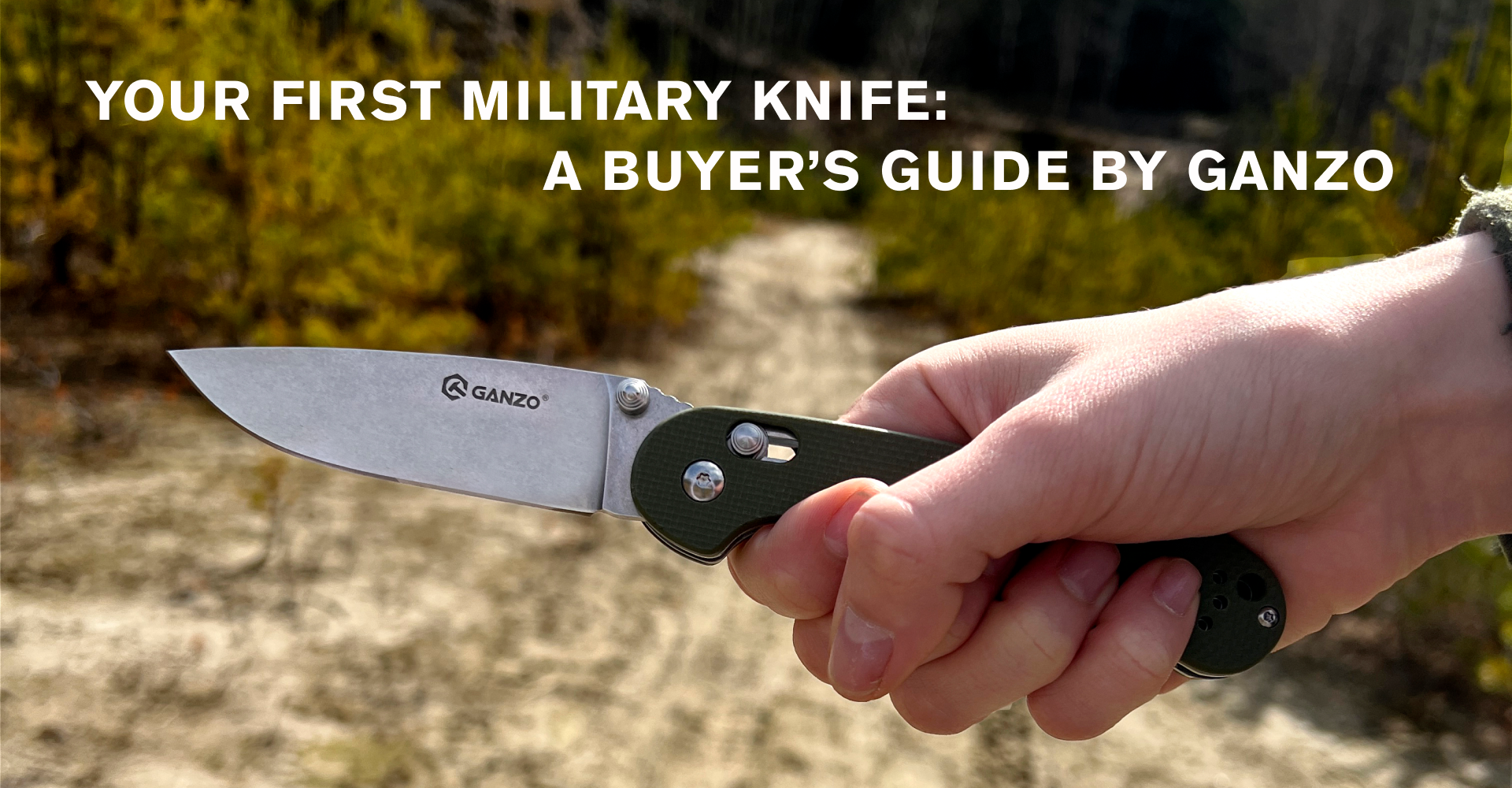
Your First Military Knife: A Buyer’s Guide by Ganzo
When you hear the term military knife, what comes to mind? A large, brutal-looking tool — or a sharp, multifunctional blade ready for extreme tasks? In fact, both images are correct. A military knife is defined by its purpose, and the right choice always depends on your needs.
That said, there are core characteristics every knife in this category should meet. If you’re new to the world of tactical and survival knives and aren’t sure what to look for, this guide by Ganzo will help you understand the basics and make a confident first choice.
What Is a Military (Tactical) Knife?
Tactical, combat, and military knives all belong to the same category. Their main feature is exceptional strength and durability, allowing the blade to handle tasks far beyond everyday cutting.
Compared to standard EDC knives, military knives are usually harder, thicker, and often equipped with additional functional elements such as:
- serrated edges,
- glass breakers,
- reinforced tips.
These qualities also make tactical knives suitable for self-defense, which is why they are widely used by military personnel, rescue workers, and survival enthusiasts. In critical situations, the reliability of a knife can directly affect safety — and even life.
Because this category includes a wide range of designs, from compact folding knives to massive survival blades resembling machetes or kukris, understanding the differences is key to choosing the right tool.
Types of Military Knives: Features and Advantages
Almost any knife can be used for self-defense, but not every blade performs well in extreme conditions. Below are the main types of military knives and their strengths.
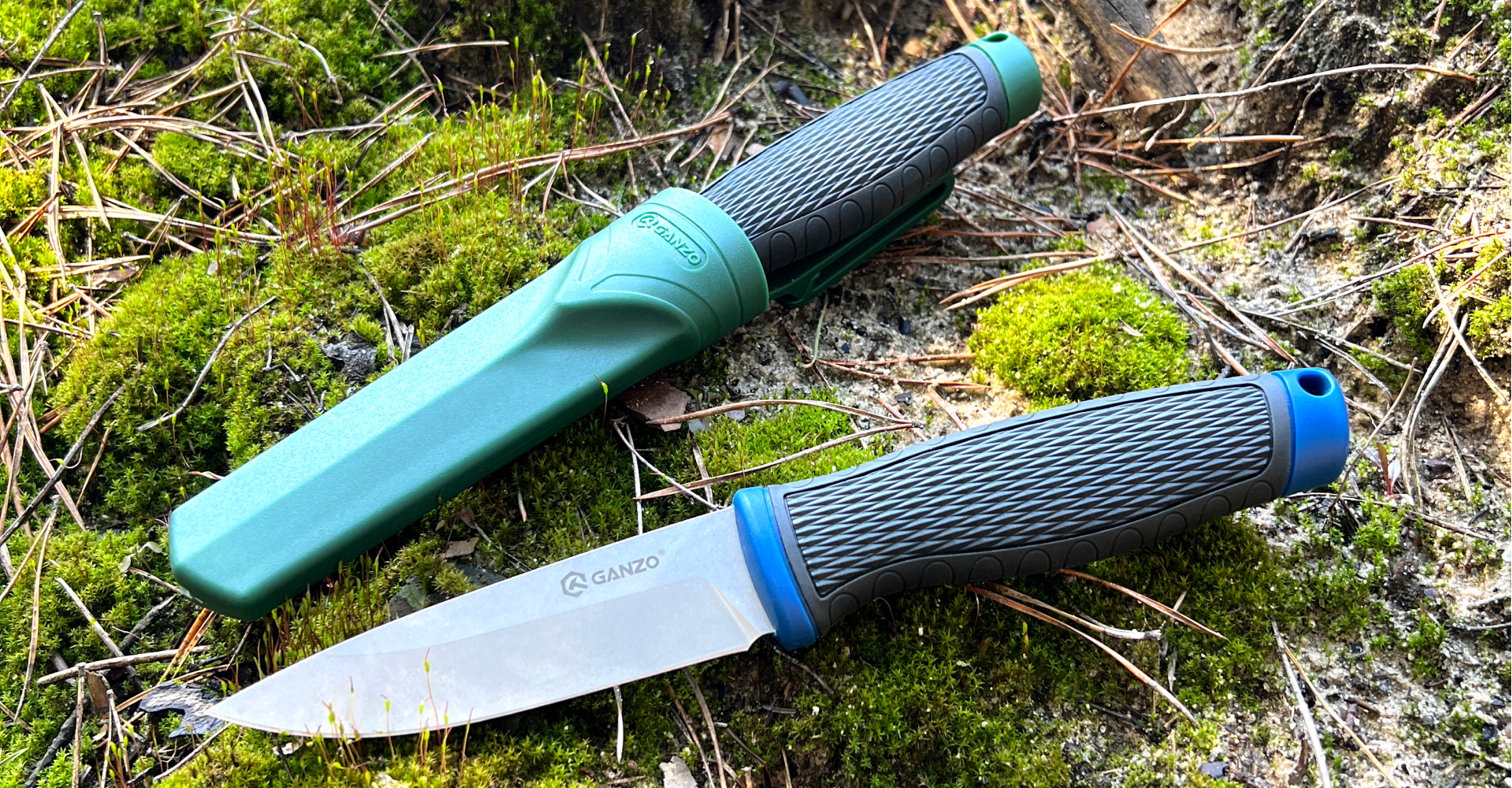
Classic Combat Knives
These knives feature a fixed blade, often with a partial or full tang construction. Regardless of design, they offer maximum strength and resistance to impact and stress.
With no moving parts, fixed-blade knives are extremely reliable — there’s simply nothing to break. This makes them ideal for heavy-duty tasks and direct use in harsh environments.
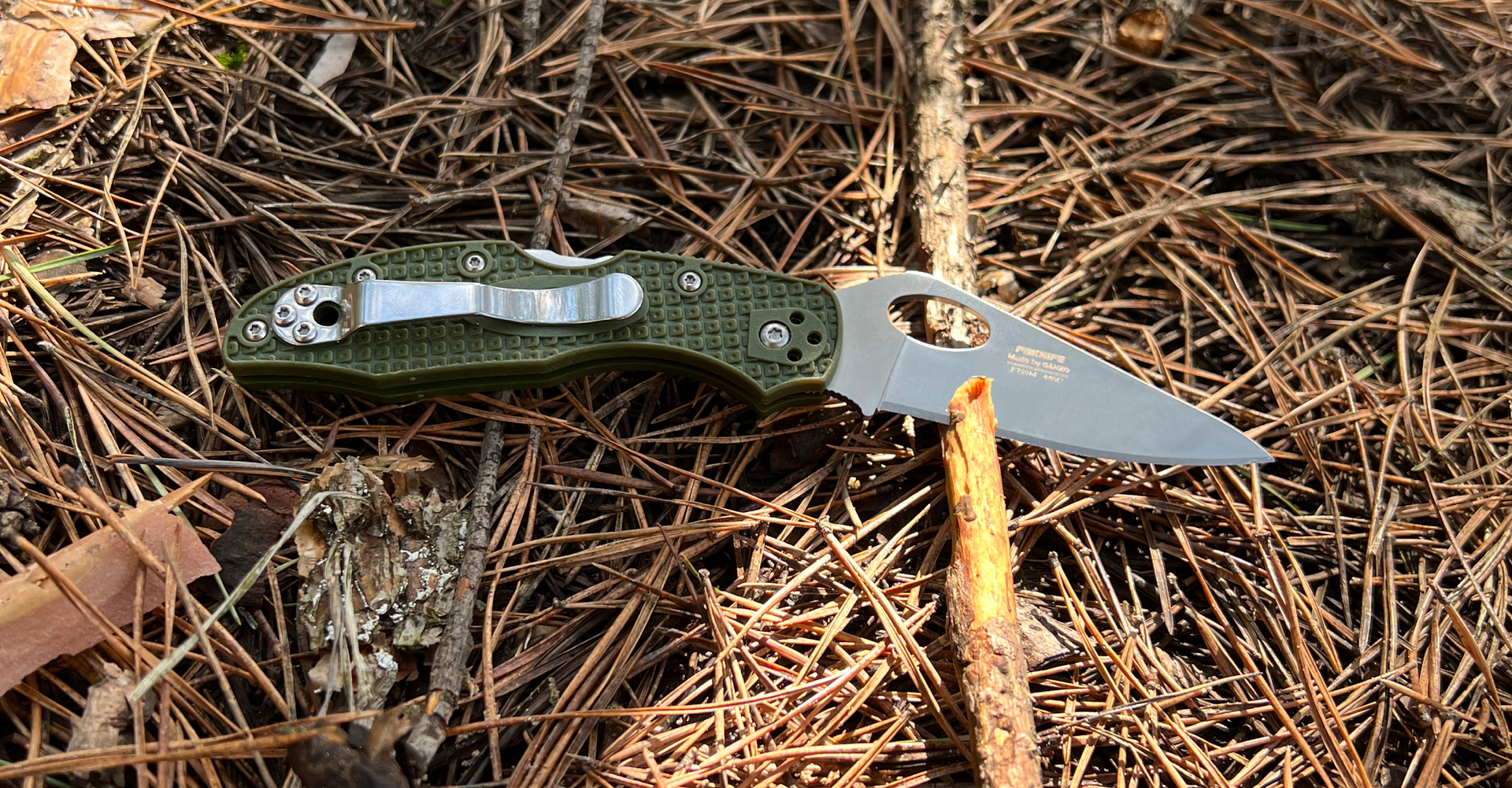
Tactical Folding Knives
Folding tactical knives are popular for their compact size and portability. They are easy to carry in a pocket, unlike fixed-blade models that require belt or sheath carry.
Despite their size, many tactical folders feature blades around 3 mm thick, providing solid resistance to bending. Locks such as Liner Lock or Frame Lock can withstand loads of up to 150 kg. However, even the strongest folding knife is still less durable than a fixed blade, which limits its use in extreme tasks.
Survival Tools
This group includes large blades such as machetes and kukris, designed for chopping, clearing paths, and preparing camps. Their main advantage is raw power — they can handle work that smaller knives simply can’t.
The downside is obvious: size and weight, which make transportation less convenient.
How to Choose Your First Military Knife
When selecting a tactical knife, pay close attention to the blade and handle. These elements define performance, safety, and comfort.
Blade Steel
A survival knife is often exposed to moisture, so stainless steel is essential. Alloys with a high chromium content offer excellent corrosion resistance and extend the knife’s lifespan.
Blade Shape
A military knife should be effective for both cutting and piercing. The most versatile blade profiles include:
- Drop Point
- Clip Point
- Spear Point
- Tanto
Edge Type
Choose the edge based on your main tasks:
- Plain edge — clean, controlled cuts
- Serrated edge — cutting rope, straps, and fibrous materials
- Combination edge — versatility for mixed tasks
Handle Material
For tactical use, grip security is critical. Textured handles prevent slipping in wet or stressful conditions. The best materials include:
- G10
- Micarta
- Rubber
ABS plastic is used less often due to lower impact resistance.
Handle Length
The handle should be at least as wide as your palm. A handle that’s too short can cause fingers to slide onto the blade, compromising safety.
Additional Features
Ganzo tactical knives may include:
- glass breakers,
- strap cutters,
- fire starters,
- compact sharpening tools.
Whether you need these features depends on your intended use.
Opening Mechanism (for Folding Knives)
For folding models, fast deployment is crucial. Common opening methods include:
- thumb holes,
- thumb studs,
- flipper tabs.
Thumb studs and flippers provide the fastest opening and full lock engagement — an important factor for self-defense.
Legal Considerations
Before purchasing, make sure the knife complies with local laws and is not classified as a prohibited weapon. You can always request the appropriate certification from our Ganzo online store manager.
Choosing your first military knife doesn’t have to be complicated. With a clear understanding of your needs and the right specifications, Ganzo offers reliable, durable solutions designed for real-world challenges.
