
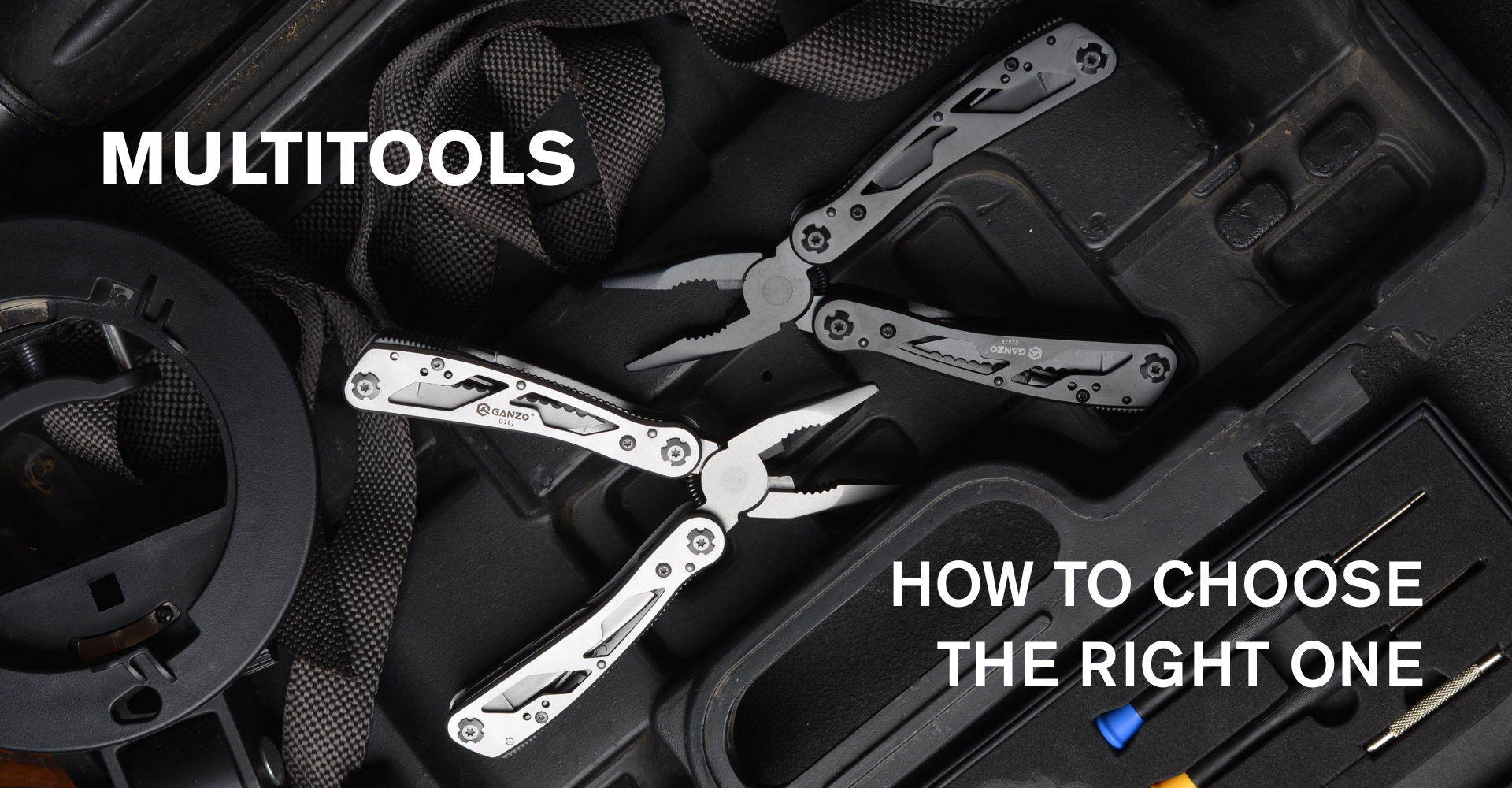
Multitool: Making the Right Choice
Every day we face a variety of tasks, both at home and outdoors — cutting something, tightening a screw, or performing small repairs. To complete such tasks comfortably, safely, and quickly, you need the right tools. One of the most versatile solutions is a multitool.
In everyday life, having at least a minimal set of tools on hand can significantly simplify many tasks. In the wilderness, however, a multitool can become the primary tool that helps you handle unexpected challenges and even get out of difficult situations. That is why choosing a multitool should be approached responsibly.
A multitool is a compact folding device that combines multiple tools in one body. Most commonly, it is designed around a pair of pliers, with additional tools hidden inside the handles. Thanks to this design, a multitool is well suited for a wide range of tasks in areas such as hunting, fishing, and tourism. At the same time, its compact size makes it perfect for everyday carry in a pocket.
Common Tools Found in Multitools
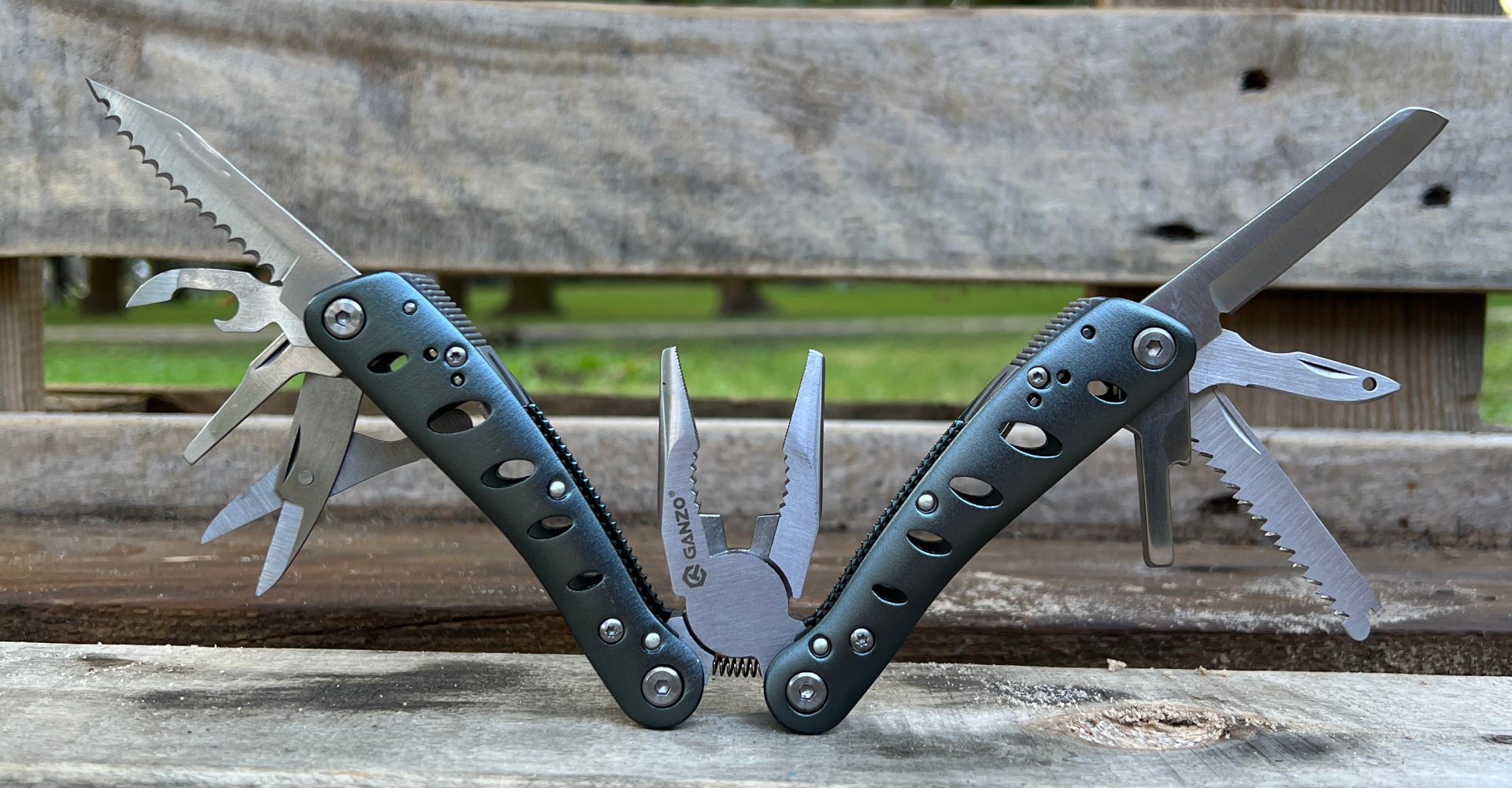
The list of additional functions can vary depending on the model, but most multitools usually include the following tools:
Pliers
This is typically the main tool in any multitool. Only in rare cases are the pliers replaced with tools such as pruning shears or other specialized implements.
Knife
A multitool may include one or several blades that differ in length, blade shape, and intended use.
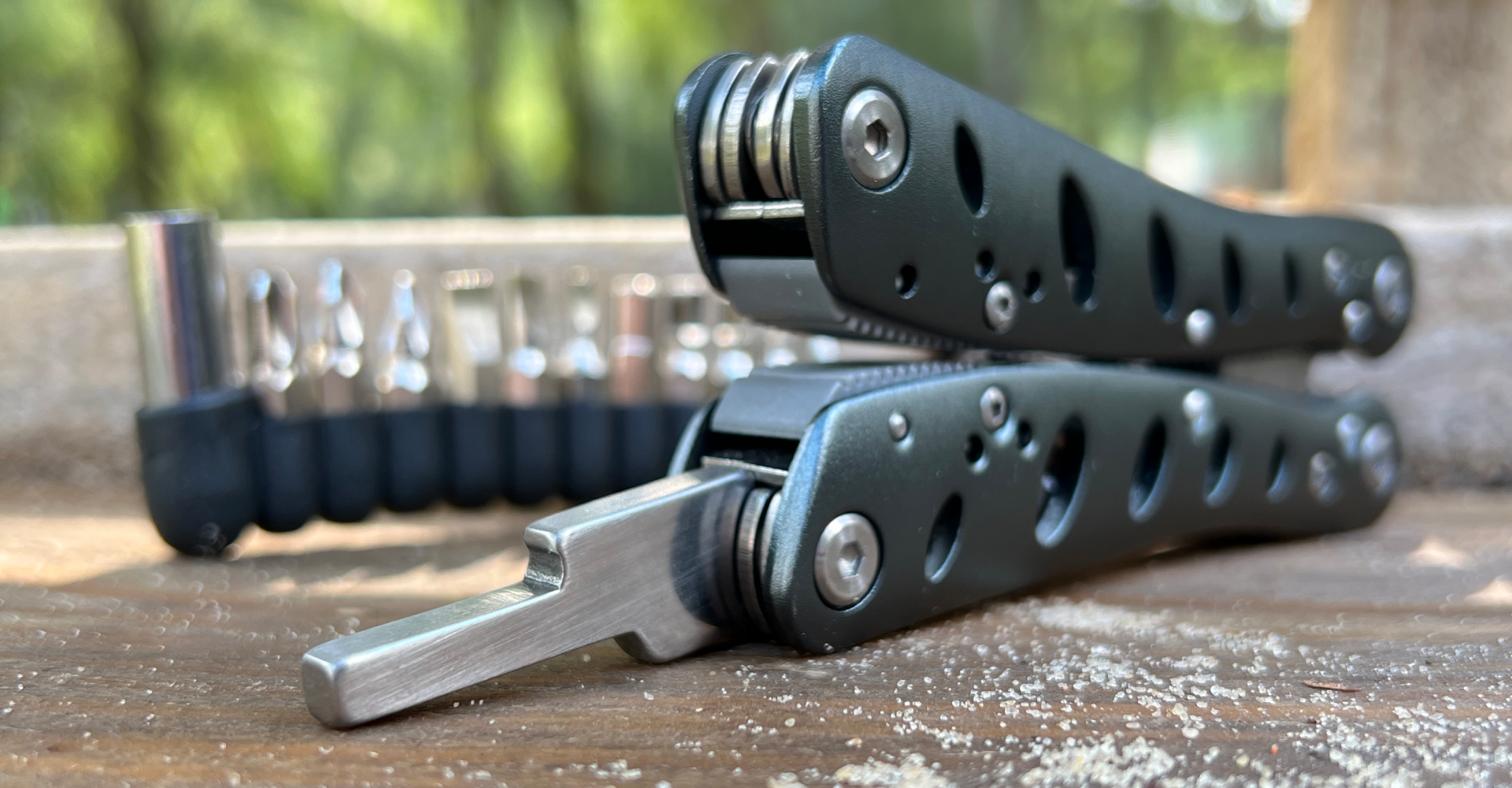
Screwdriver
Modern multitools usually include both flathead and Phillips screwdrivers. Many models also support interchangeable bit drivers, allowing you to work with a wide variety of screws using a single tool.
Scissors
Typically small in size and intended for precise cutting of materials such as paper, cardboard, and thin plastic.
Awl
Often equipped with a small hole, allowing it to be used as a punch or marking tool.
Bottle/Can Opener
As the name suggests, this tool is used to open different types of containers. In some models, it is combined with a flathead screwdriver.
Wire Cutters
Designed for cutting materials such as wire or thin cables. In most cases, they are integrated into the pliers.
Saw
Usually compact and intended for cutting small branches or similar materials.
File
Often combined with a small saw or designed for smoothing rough surfaces.
Ruler
Sometimes implemented as measurement markings on the multitool handles.
As you can see, multitools often combine two or more functions into a single component. This approach maximizes functionality while keeping the overall size as compact as possible.
Types of Multitools
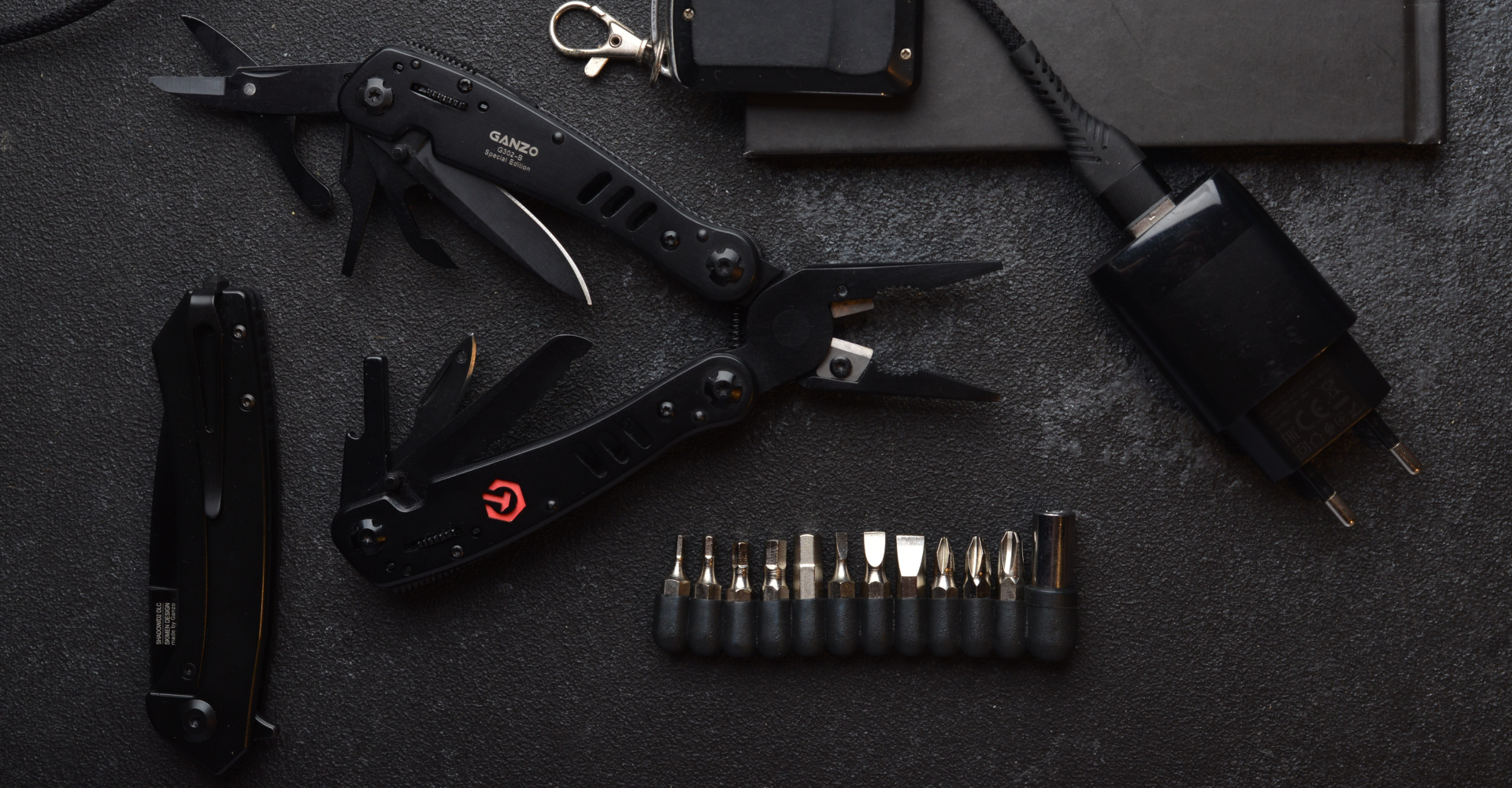
Multitools can generally be divided into three main categories:
Full-Size Multitools
These multitools can replace a large number of individual tools, especially in field conditions. Thanks to their robust construction, they can withstand heavy loads and may even be used for repairing cars or other equipment.
The downside is their larger size and weight, which makes them less convenient to carry in a pocket.
Pocket Multitools
Pocket multitools are essentially a smaller version of full-size models and typically include fewer additional tools. Their main advantage is their compact size and light weight, making them easy to carry in a pocket or on a belt.
Card or Keychain Multitools
These multitools are extremely compact and can easily fit into a wallet or small pocket. They usually include only a few functions, but these are often sufficient for everyday urban tasks.
What to Consider When Choosing a Multitool
If you decide to purchase a multitool, it is best to first determine how you plan to use it. Keep in mind that the weight and size of the multitool depend directly on the number of tools it contains.
When choosing a multitool, pay attention to the following characteristics:
Tool Set
Carefully review the list of tools included in the multitool. The set can vary significantly from one model to another, so tools available in one model may be missing in another.
Ergonomics
The multitool should be comfortable both to use and to carry. Pay attention to details such as how easy it is to access and open the tools — these small factors greatly affect the overall user experience.
Safety
All tools should have a reliable locking mechanism to prevent them from accidentally opening or closing during use.
Technical Specifications
It is important to know which materials are used in the construction of the multitool. This information will help you evaluate the quality of the tool and understand which types of tasks it can handle.
Today, the range of multitools available on the market is enormous. By following these recommendations, you will be able to choose a model that best suits your needs and helps you solve a wide variety of tasks — both in everyday life and during outdoor adventures.
