
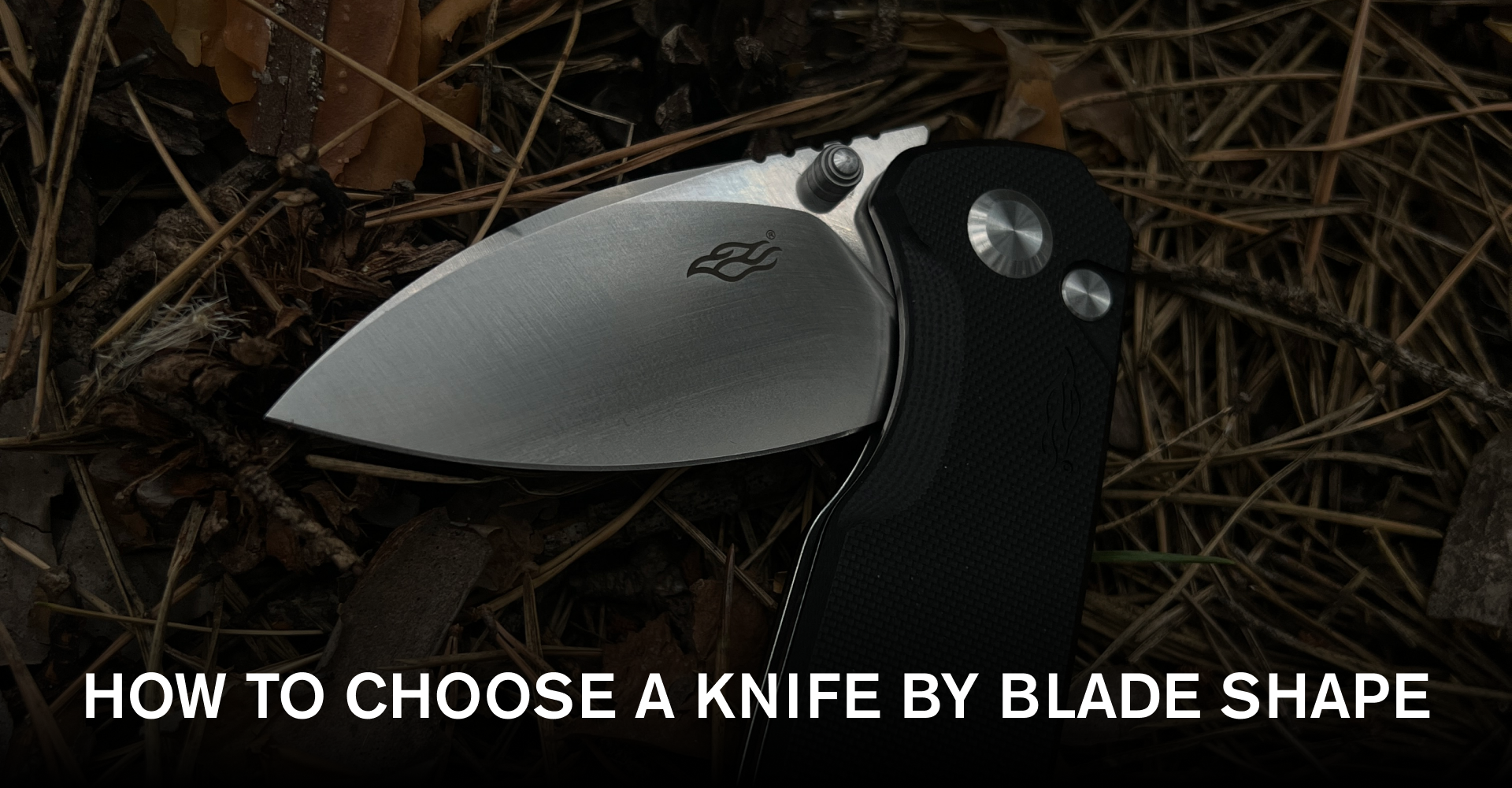
Choosing your first — or even your next — folding knife is always an exciting process, but it can also feel complicated because of the huge number of technical specifications. People often focus on design or the opening mechanism, but in reality it is the blade geometry that defines the “character” of a knife. Every curve of the blade affects cutting performance, tip strength, and overall usability.
In this article, we will take a closer look at different blade profiles using knives from Ganzo as examples. This guide will help you understand how to choose a blade shape that truly matches your needs instead of ending up with a knife that simply sits unused on a shelf.
How to Choose a Ganzo Knife by Blade Shape
The Ganzo brand has earned trust thanks to the practicality and durability of its tools. Ganzo knives perform equally well in the city, in challenging outdoor environments, and during professional tasks. The brand’s wide assortment makes it possible to find the ideal tool for almost any purpose — as long as you understand the characteristics of each blade type.
When choosing a Ganzo knife, start by analyzing how you plan to use it. Some people need a knife just to open boxes or prepare lunch in the office, while others require a durable tool for camping trips or fishing. The blade shape often determines where a knife performs best and where it might be less comfortable to use.
Let’s take a look at the main blade profiles found in Ganzo knives so you can quickly determine which one suits your needs.
Main Blade Shapes in Ganzo Knives
Ganzo became well known for producing durable knives at reasonable prices. The company offers different product lines designed for various tasks — from reliable outdoor and fishing knives to practical everyday carry models for urban use.
Understanding the characteristics of each blade shape will help you avoid mistakes when choosing a knife. The most important rule is simple: the blade shape should match your intended tasks. A knife for office or kitchen use is very different from a knife designed for survival situations in the wilderness.
Drop-Point
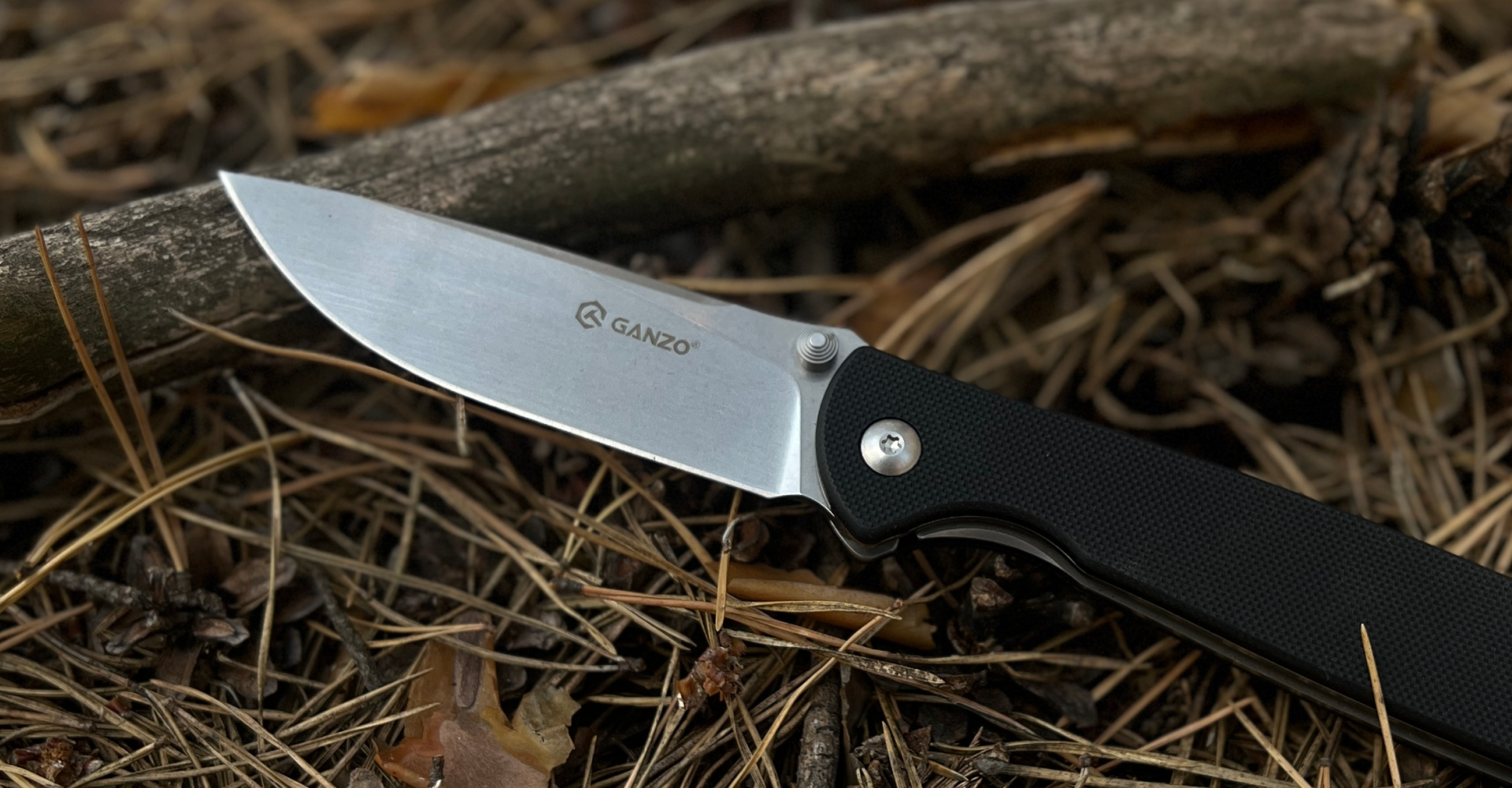
This is probably the most popular and versatile blade geometry in the Ganzo lineup. Its main feature is the smooth downward curve of the spine toward the tip. This design places the tip closer to the centerline of force during piercing, making it strong and easy to control.
Drop-Point blades also have a long cutting edge with a noticeable belly, which makes them excellent for slicing. Thanks to this shape, they perform equally well when cutting food or performing tougher tasks like carving wood.
This profile is an excellent choice for a first all-purpose knife. You get a strong tip that is difficult to break along with excellent cutting performance. Many Ganzo best-selling models feature this blade shape because it is forgiving in use and easy to sharpen.
Clip-Point
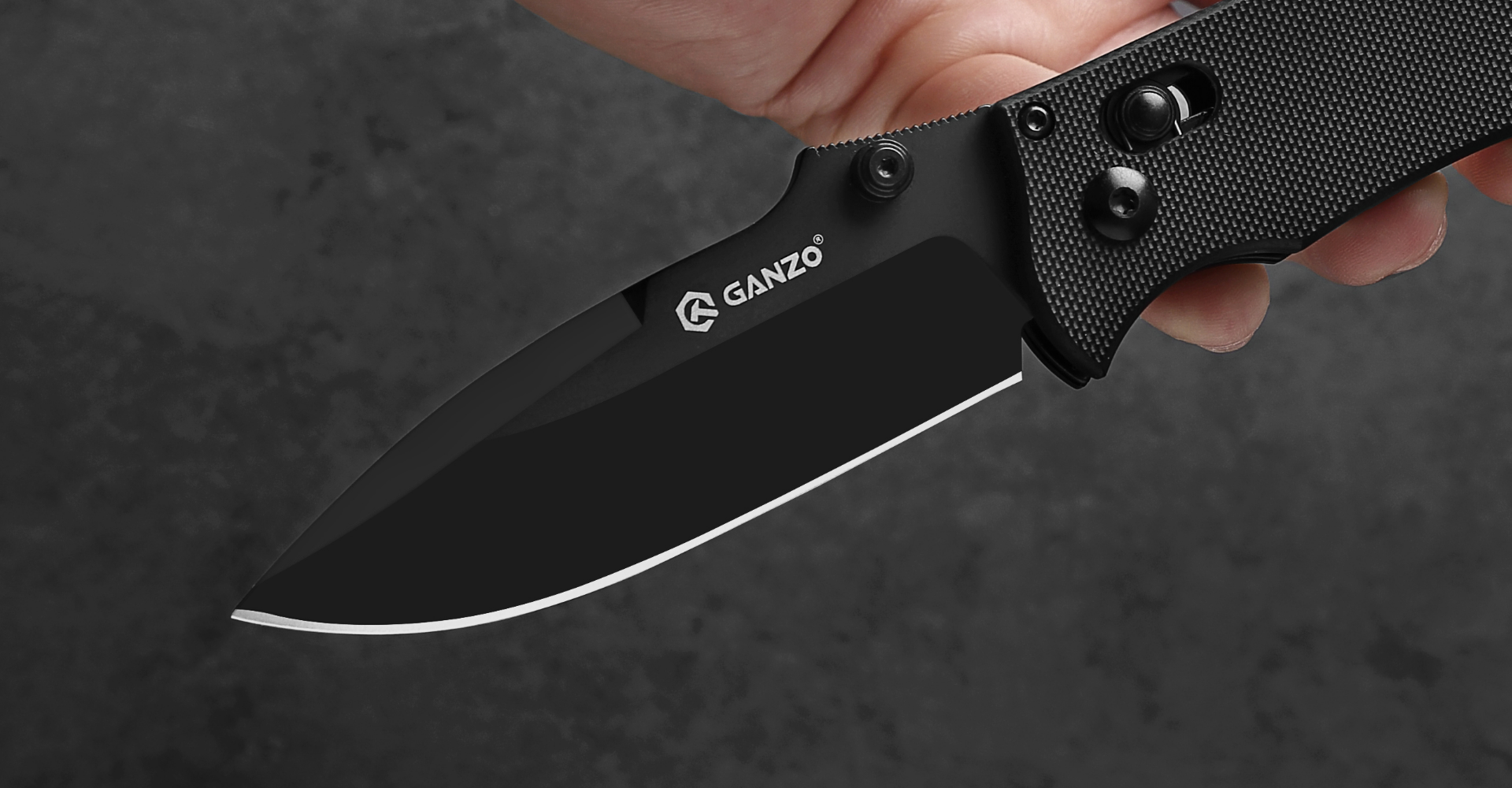
The Clip-Point blade is well known among fans of classic American knives. Its key feature is the “clipped” section of the spine near the tip, which creates a thinner and sharper point.
Because of this narrowing, the tip becomes extremely sharp and capable of easily piercing dense materials. This blade type is ideal for tasks that require precision, such as piercing, detailed cutting, or working in tight spaces.
However, due to the thinner tip, Clip-Point blades require more careful handling. They should not be used for prying or heavy leverage tasks, as this may damage the tip.
Despite this, Clip-Point knives remain very popular because of their stylish and recognizable design. If you want a knife that excels at piercing while still cutting well, this blade shape is a great choice.
Spear-Point
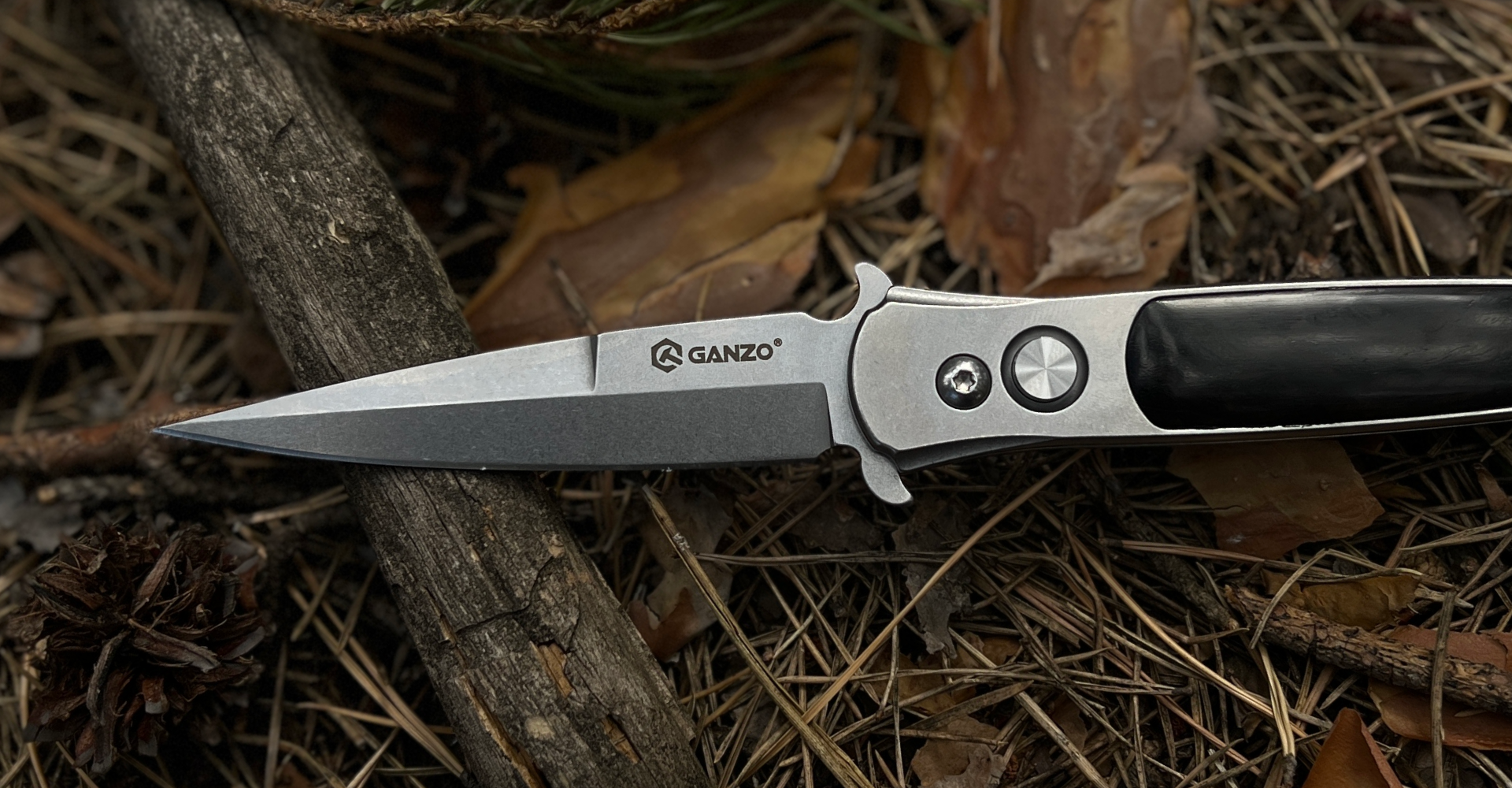
As the name suggests, this blade profile resembles a spear tip. The upper and lower edges of the blade converge symmetrically toward the center, placing the tip in line with the handle. This allows pressure to be transferred directly to the piercing point without the blade drifting to the side.
Most Ganzo models feature a single sharpened edge for safety and classification reasons. However, Spear-Point blades often include a false edge on the spine — a tapered section that improves penetration but is not sharpened. This enhances the knife’s piercing ability while keeping it legally compliant in many markets.
Blade shapes like this are commonly used in tactical knives. Their symmetry and sharp tip provide excellent control during piercing tasks.
Although Spear-Point blades are slightly less convenient for food preparation than Drop-Point blades due to the smaller belly, they are often stronger and more durable. This makes them a good choice for users who need a knife capable of handling demanding conditions.
Normal Blade
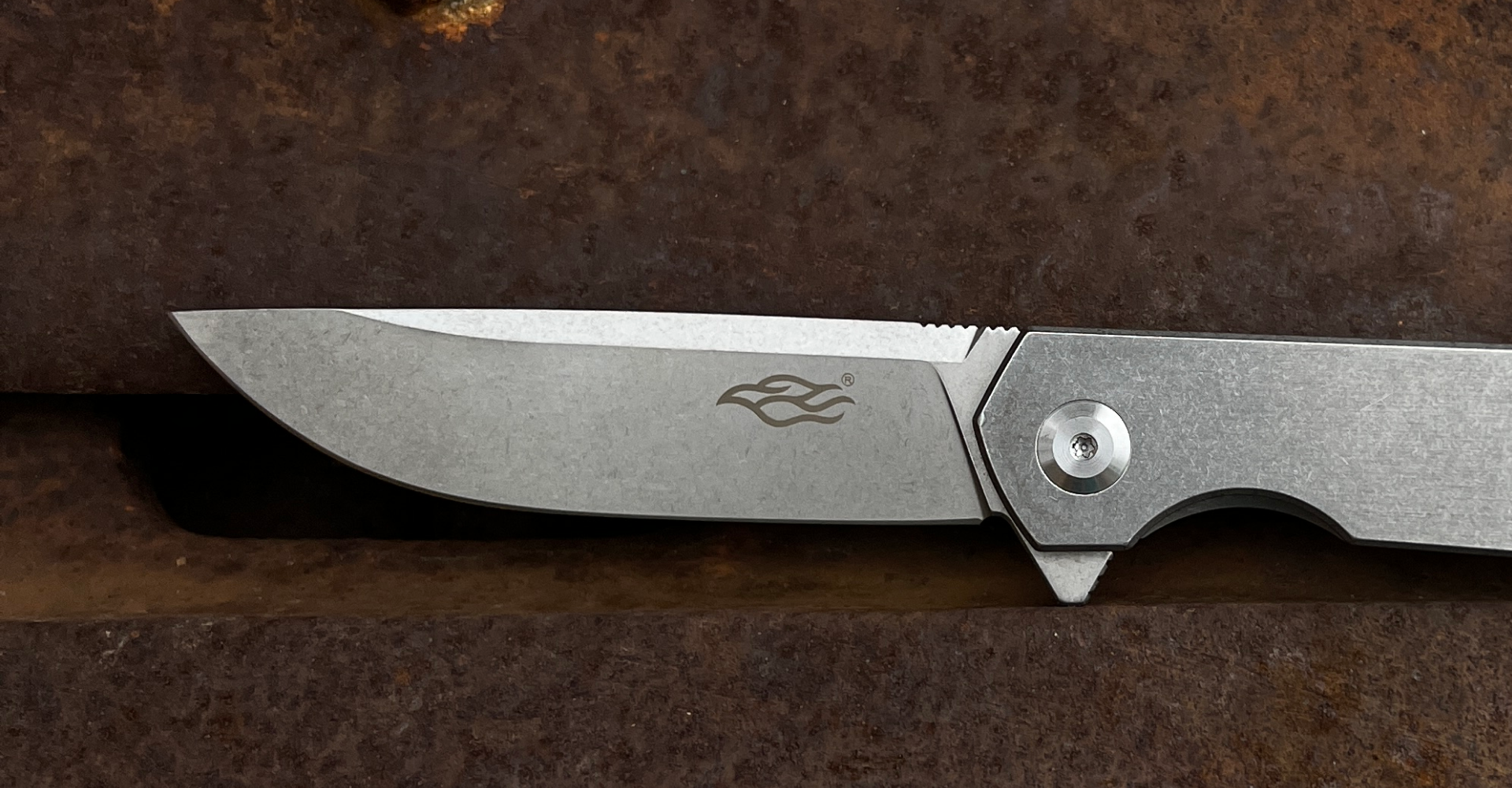
This classic blade shape features a straight spine that runs from the handle to the tip. The design allows the user to safely apply pressure to the spine with the free hand, which is helpful for splitting wood chips or working with tougher materials.
Because the spine remains straight and uncut, Normal Blade designs are usually heavier than other blade types of the same length. This extra mass helps the knife perform better in heavy-duty tasks since it can deliver stronger cutting power.
It is a reliable choice for hunters or outdoor enthusiasts who need a solid working knife without unnecessary design elements. The blade is easy to sharpen and clean, and its wide surface allows confident work with different materials.
Bowie
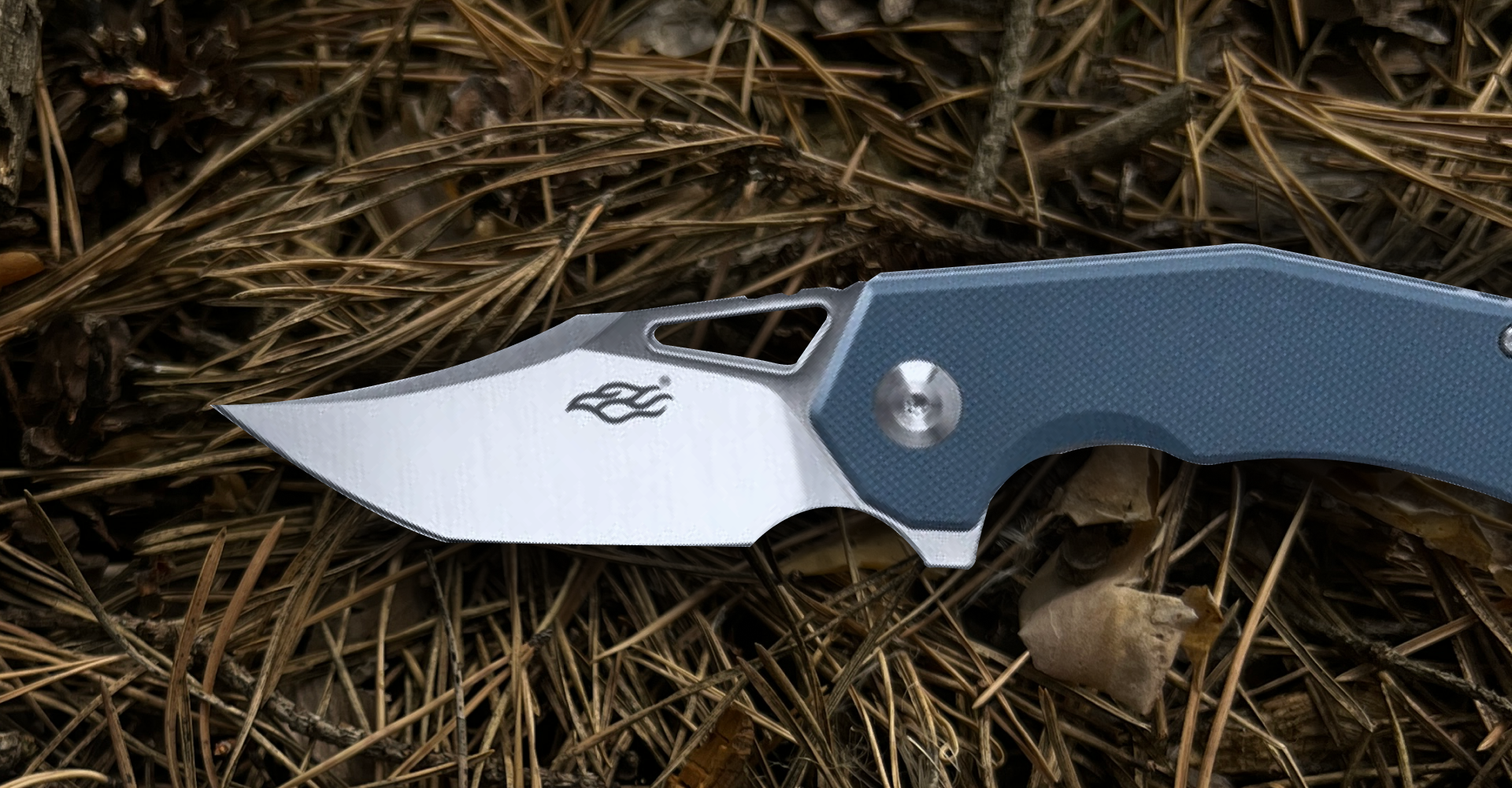
The Bowie blade is one of the most recognizable knife shapes, often seen in movies about adventure and survival. It resembles the Clip-Point design but is usually larger and features a more pronounced blade curve.
This shape creates a powerful working knife suitable for tough conditions. A Bowie knife can handle tasks such as processing game during hunting as well as basic food preparation around a campfire.
Despite its robust appearance, the relatively thin tip still allows precise work when necessary. Ganzo models are built with a margin of strength, making them reliable for demanding tasks while remaining practical for everyday use.
Wharncliffe
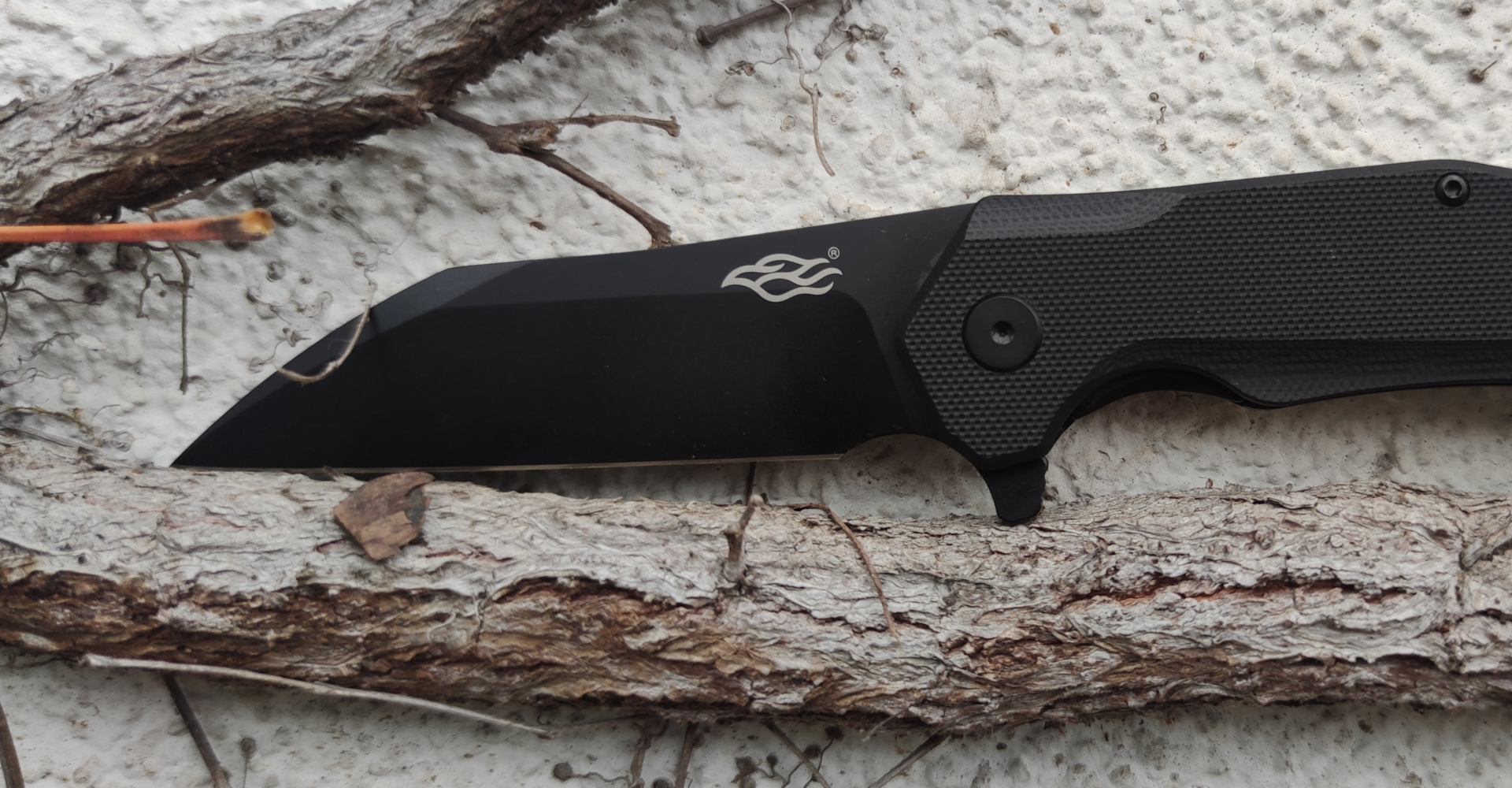
The Wharncliffe blade stands apart from all the previous types. It features a perfectly straight cutting edge, while the spine slopes sharply downward toward the tip.
At first glance this design may seem unusual, but in practice it is extremely convenient and precise. The straight edge allows you to control every millimeter of the cut with exceptional accuracy.
Wharncliffe blades are ideal for opening boxes, cutting fabric or paper, and carving wood with precision. Since the edge is straight and without curves, pressure can be evenly distributed along the entire blade.
For everyday carry in urban environments, this is often one of the most practical blade shapes. It is perfect for people who frequently open packages, work with materials, or perform small repair tasks at home.
Common Mistakes When Choosing a Blade Shape
Many buyers make similar mistakes when choosing knife blade types. Here are the most common ones to avoid:
Choosing appearance over functionality.
Blades with complex shapes, serrations, or unusual curves may look impressive but can be inconvenient in everyday tasks.
Selecting a thin tip for heavy-duty tasks.
If you plan to use a knife for demanding outdoor work, avoid very thin Clip-Point tips. Drop-Point or Normal Blade shapes are usually better suited.
Ignoring cutting edge length and curvature.
Blades with a pronounced belly are better for slicing on a cutting board, while straight blades like Wharncliffe require a different cutting technique.
Not considering steel and blade shape together.
Complex blade geometries require proper sharpening. If you plan to use the knife daily, make sure you can maintain its edge yourself.
Choosing the right blade shape is always about finding the balance between strength and cutting performance. The best way to make the right decision is to think about how you will use the knife most often.
Understanding the characteristics of blade profiles such as Drop-Point, Clip-Point, and Wharncliffe will help you make a confident choice. And with the wide range of Ganzo knives available, you can always find a model that perfectly matches your specific needs.
