
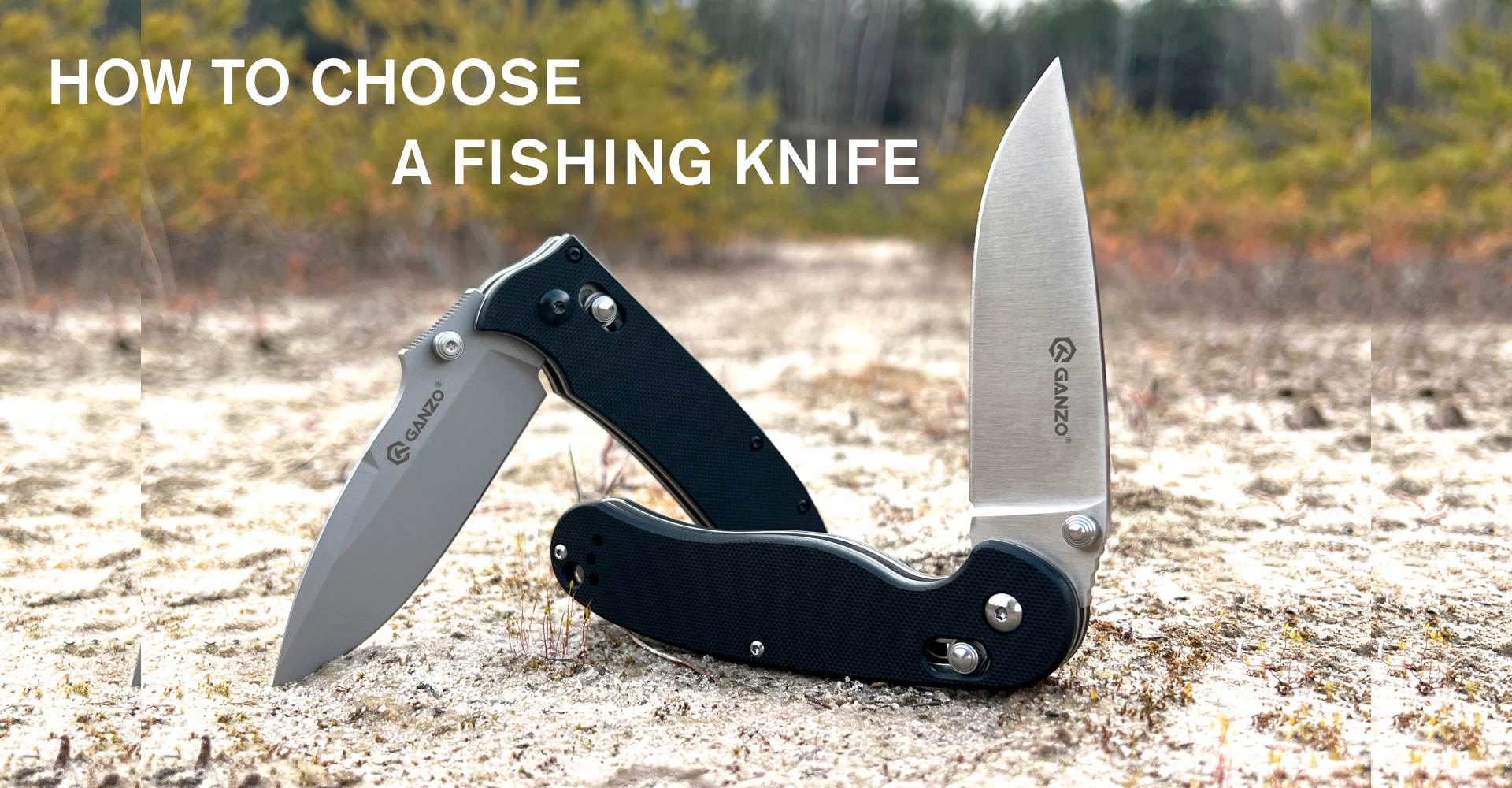
A quality fishing knife is an essential part of a fisherman’s gear, regardless of their level of experience. Preparing bait and tackle, cleaning scales from the catch, filleting fish, and many other tasks are difficult to accomplish without a sharp and reliable tool designed specifically for outdoor use.
In this guide, we will explain how to choose the right fishing knife, what features to pay attention to, and which tools will best complement your fishing equipment.
Why Do You Need a Knife for Fishing?
When preparing for a fishing trip, you probably won’t forget your rod, spinning rod, net, or tackle. But successful fishing involves much more than simply casting a line and waiting for a bite. Throughout the day, anglers perform a variety of tasks, and a good knife can make many of them much easier.
Here are just a few situations where a compact knife becomes indispensable.
Cutting Fishing Line
Fishing line is extremely durable, so it cannot easily be torn by hand or cut with your teeth. A sharp blade allows you to cut even thick line designed for catching large fish quickly and safely.
Preparing Bait
Breaking down bait such as oil cake or other attractants into smaller pieces is much easier with a sturdy knife. While this can be done by hand, doing so usually leaves your hands dirty and covered with a strong smell.
Dispatching the Fish
Experienced anglers know that freshly caught fish should be dispatched quickly with a firm blow to the head. This is both humane and scientifically justified. Stress before death causes the fish to release lipids that can negatively affect the taste and shelf life of the fillet.
In this situation, a knife with a solid and well-balanced handle is helpful, as it provides enough weight to quickly stun and dispatch the fish.
Cleaning and Filleting
After the fish has been dispatched, the next step is removing scales and gutting the catch. In the kitchen, this task is usually done with a specialized fillet knife that has a thin flexible blade. However, in outdoor conditions, a good all-purpose fishing knife can handle these tasks just as effectively.
Preparing a Campsite
Some anglers set up a full campsite where they cook food and even stay overnight outdoors. In such situations, a compact fishing knife is also very useful. It can help clear an area for a camp, cut small branches for a fire, and prepare fish fillets for cooking.
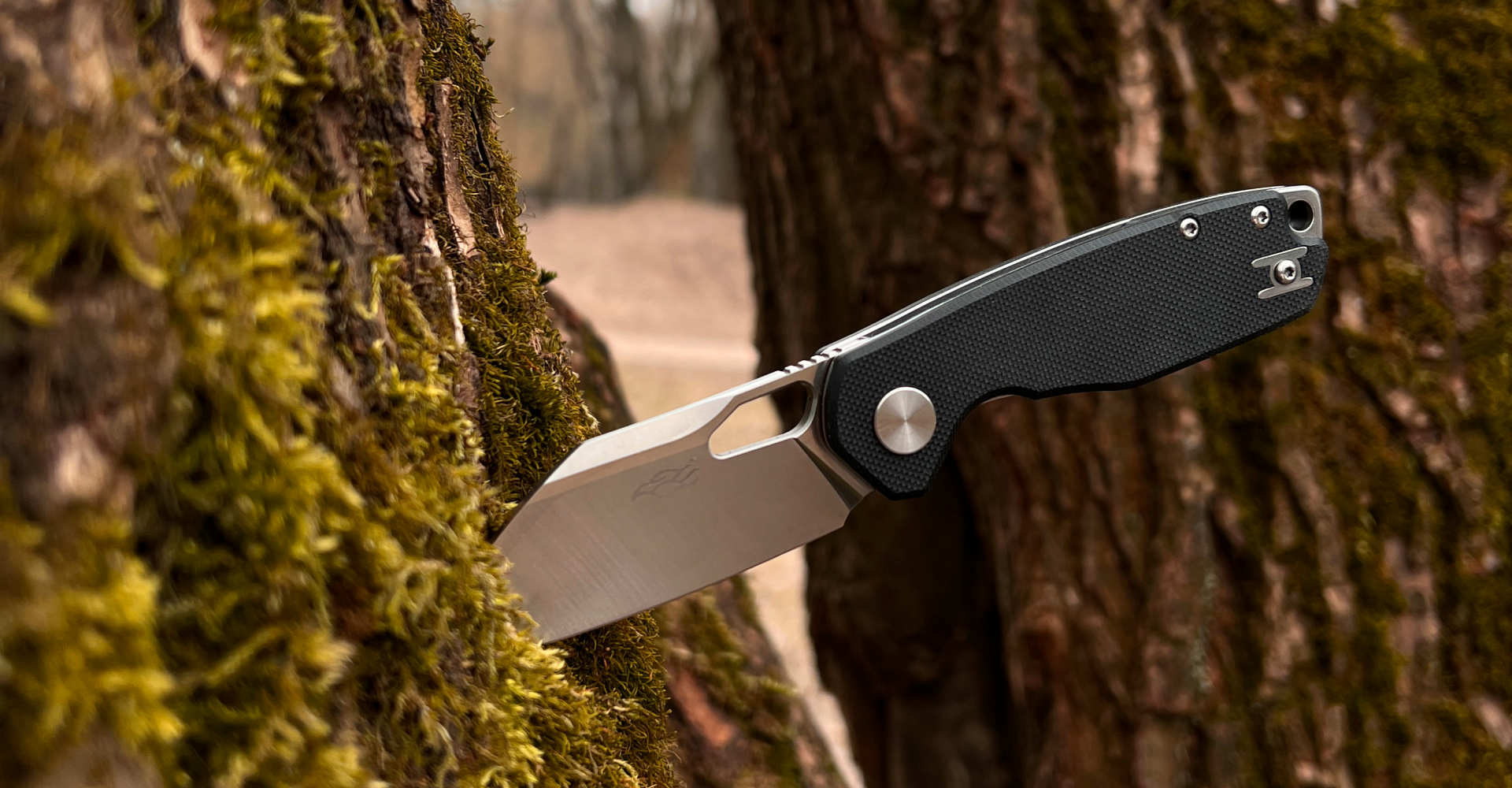
What Fishing Knife Should You Choose? Key Design Features
Every knife owner has their own preferences regarding blade shape, design, and construction. However, regardless of personal taste, there are several factors that help simplify the process of choosing the right knife for fishing.
Blade
The blade of a fishing knife should be durable, corrosion-resistant, and easy to sharpen, especially since it will frequently come into contact with water and other harsh environments.
1. Steel
When you are outdoors, it is not practical to carry multiple tools for different tasks. Therefore, the knife blade should be made from wear-resistant steel capable of handling a wide range of tasks.
Between carbon steel and stainless steel, stainless steel is generally the better choice for fishing, as it tolerates prolonged exposure to moisture much better.
Steels such as D2, 440, and 420 offer a good balance between durability, corrosion resistance, and affordability, making them reliable options for fishing knives.
2. Blade Grind
The blade grind determines the thickness and geometry of the cutting edge, which affects both cutting performance and durability.
The most common grinds used in fishing knives include straight and hollow grinds, although other types are also found.
Flat Grind
A versatile choice suitable for fishing, hunting, and outdoor activities. It maintains sharpness well and offers balanced cutting performance.
Hollow Grind
Creates a very thin and sharp edge, comparable to a razor. It is excellent for precise and delicate cuts but dulls faster because of the thinner edge.
Asymmetrical Grind
This design features different blade shapes on each side. One side may be straight while the other is curved. It is popular among experienced anglers but also works well as a versatile outdoor knife.
Convex Grind
Features a slightly curved edge that improves durability and strength. However, sharpening such blades requires more skill.
Scandi Grind
Commonly found in carving knives but also suitable for outdoor use due to its simple sharpening process. The edge can be sharpened quickly with a basic sharpening stone, although it typically needs more frequent maintenance.
3. Blade Length
Blade length also affects convenience during different tasks. Many fillet knives have blades longer than 20 cm, which are excellent for cleaning fish but less convenient to carry.
For fishing trips, a compact knife with a blade length of 10–12 cm is usually the most practical option.
Handle
The handle is the second most important part of a fishing knife. While the color or additional features such as clips or fire starters depend on personal preference, the material and weight of the handle are critical factors to consider.
1. Material
Because the knife will often be used in wet conditions, the handle should be made from non-slip, moisture-resistant materials that provide a secure grip even with wet hands.
Ideal materials include textured thermoplastics or G10 fiberglass laminate. Some fishing knives are even made with cork handles that allow the knife to float if dropped in water.
Finger grooves and guards are also helpful features that improve control during more demanding tasks.
2. Weight
A good fishing knife should have balanced weight, making it comfortable to carry in a pocket or on a belt without sacrificing performance.
A handle that is too heavy can make the knife harder to control and cause fatigue during prolonged use. Ideally, the weight should not exceed:
- 200 g for folding knives
- 350 g for fixed-blade knives
Types of Fishing Knives
Fishing knives are traditionally associated with fixed blades, although some folding knives can also perform well in outdoor conditions.
Fixed Blade Knives
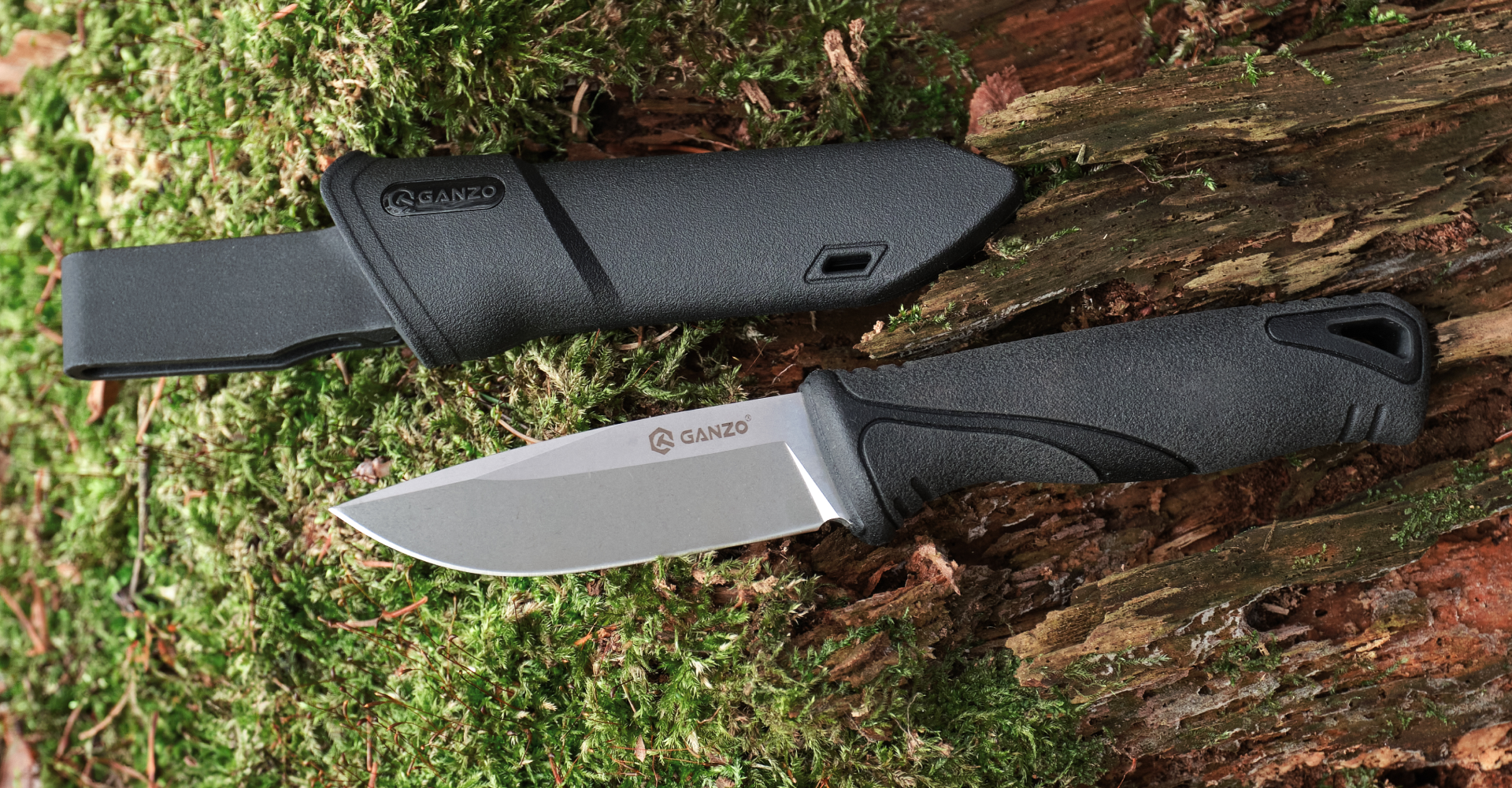
Knives with fixed blades cannot be folded for compact storage, but this design offers maximum strength and reliability. You do not need to worry about the blade closing under heavy pressure.
Such knives handle demanding tasks well, including cleaning large fish, cutting through bones, or performing basic campsite work such as cutting branches or rope.
Most fixed-blade fishing knives come with protective sheaths for safe storage and transport. The sheath usually includes a belt loop for easy carrying. Some sheath designs from Ganzo also include additional tools such as line cutters or compact fire starters, turning the knife into a versatile survival tool.
Folding Knives
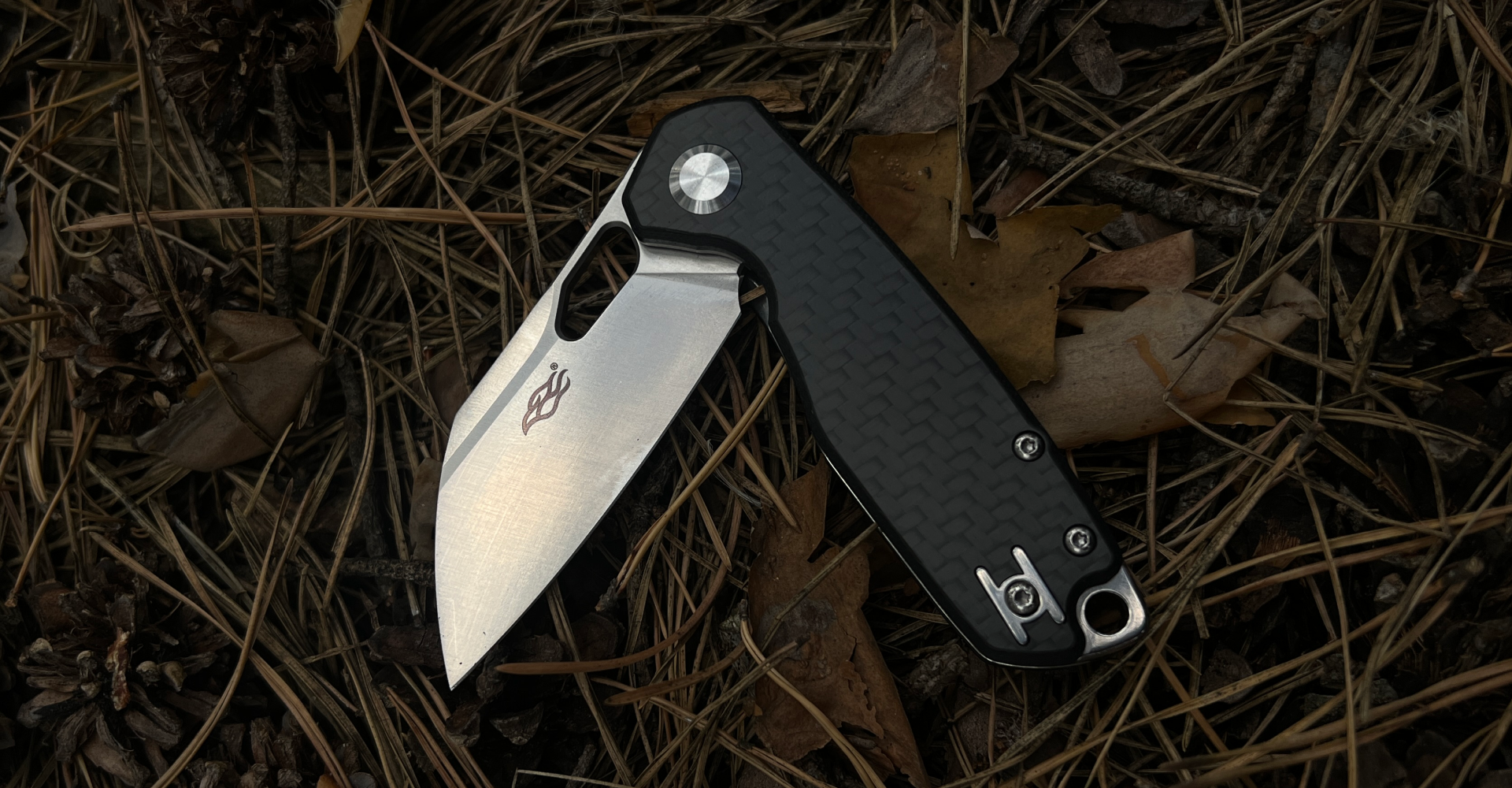
Folding knives designed for everyday carry (EDC) can also perform well in outdoor conditions if used appropriately.
Their folding mechanism reduces the size of the tool by almost half compared to fixed blades, making them easy to carry in a pocket or bag. A pocket clip helps secure the knife to clothing during movement.
A folding knife can be opened quickly with one hand and locked in place for safe use. However, even the most reliable locking mechanisms are not designed for extreme loads, so it is best to avoid excessive force that could damage the knife.
