
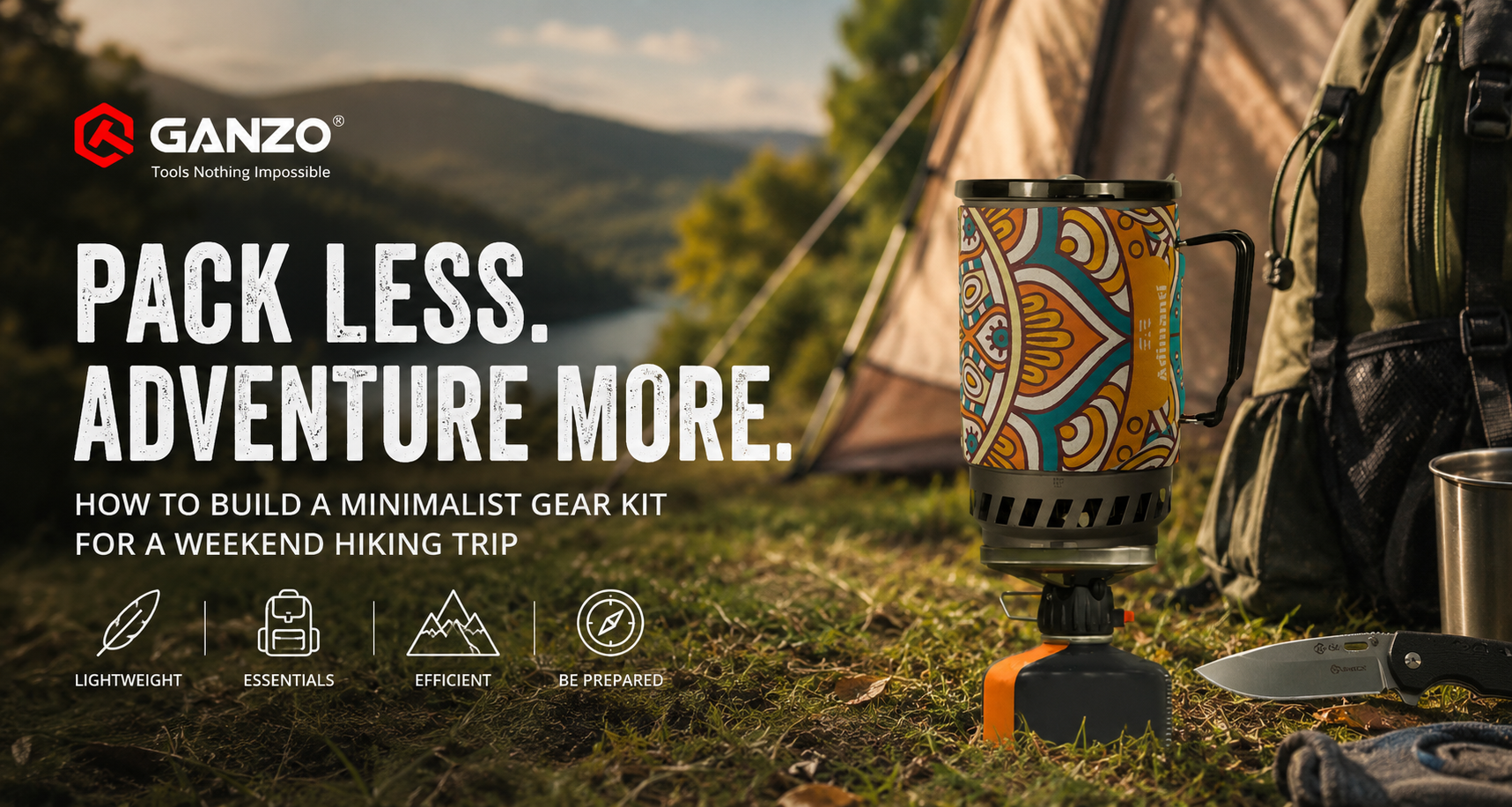
Weekend hiking is one of the easiest and most rewarding ways to escape the routine, reconnect with nature, and recharge. Unlike multi-day expeditions, a two-day adventure doesn't require a heavy backpack packed with "just in case" items. In fact, carrying less often means hiking farther, moving faster, and enjoying the journey more.
The key to successful minimalist camping isn't bringing as little as possible—it's bringing exactly what you need and nothing you don't.
In this guide, we'll show you how to assemble a lightweight weekend hiking kit without sacrificing comfort, safety, or functionality.
Start with the Right Backpack
Every minimalist setup begins with choosing an appropriately sized backpack.
For a typical overnight or weekend trip, a backpack with a capacity of 25–40 liters is usually sufficient. This size provides enough room for essential gear while discouraging overpacking.
When selecting a backpack, look for:
- Lightweight construction
- Comfortable shoulder straps
- Adjustable hip belt
- Breathable back panel
- Multiple compartments for organization
Remember: extra space often leads to carrying unnecessary equipment.
Pack Only Essential Shelter
Your shelter should match the expected weather conditions.
For a summer weekend trip, consider:
- A lightweight tent
- A tarp setup
- A bivy shelter
- A hammock with a rain fly
Modern ultralight shelters provide excellent weather protection while keeping pack weight to a minimum.
Don't forget a compact sleeping bag and a lightweight sleeping pad suitable for the forecasted temperatures.
Choose Clothing Wisely
One of the biggest mistakes beginner hikers make is packing too many clothes.
Instead, focus on layering.
A practical clothing system includes:
- Moisture-wicking base layer
- Lightweight insulating layer
- Waterproof jacket
- Extra socks
- Hat or cap depending on the season
Avoid packing multiple outfit changes. Technical fabrics dry quickly and can often be worn for several days.
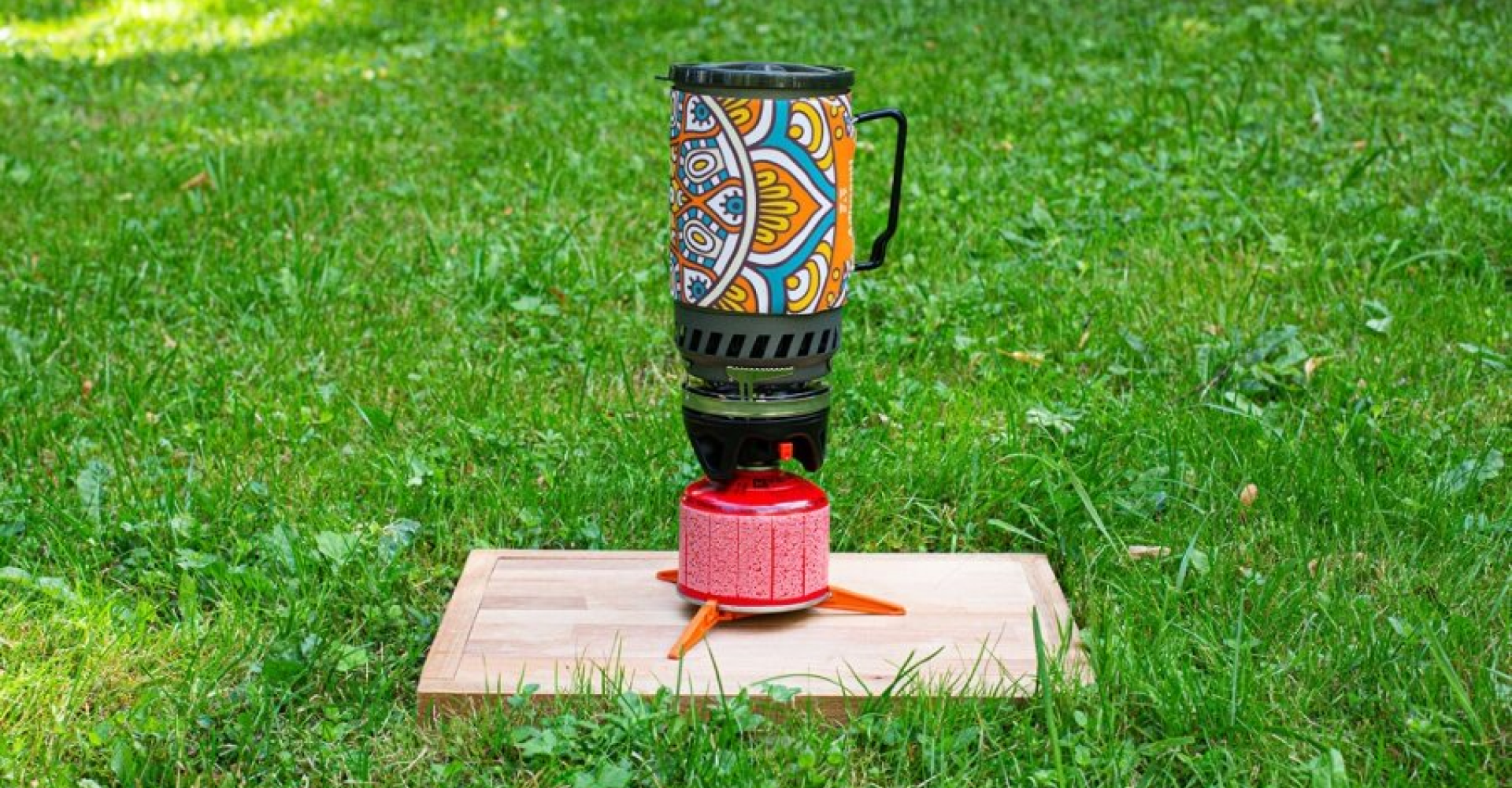
Keep Your Cooking System Simple
For a weekend trip, there's no need for bulky cookware.
A compact cooking setup typically includes:
- Lightweight gas burner
- Small cooking pot
- Fuel canister
- Spoon or spork
- Mug
Integrated camping cooking systems are particularly popular because they combine the burner and pot into one efficient unit. They boil water quickly, save fuel, and pack neatly inside the cooking pot, reducing the amount of space needed in your backpack.
Plan Lightweight Meals
Food often accounts for a significant portion of your backpack weight.
Choose meals that are:
- High in calories
- Easy to prepare
- Lightweight
- Shelf-stable
Good options include:
- Freeze-dried meals
- Instant oatmeal
- Rice or pasta
- Nuts
- Dried fruit
- Energy bars
- Beef jerky
- Instant coffee or tea
Pre-portion your meals before leaving home to avoid carrying unnecessary packaging.
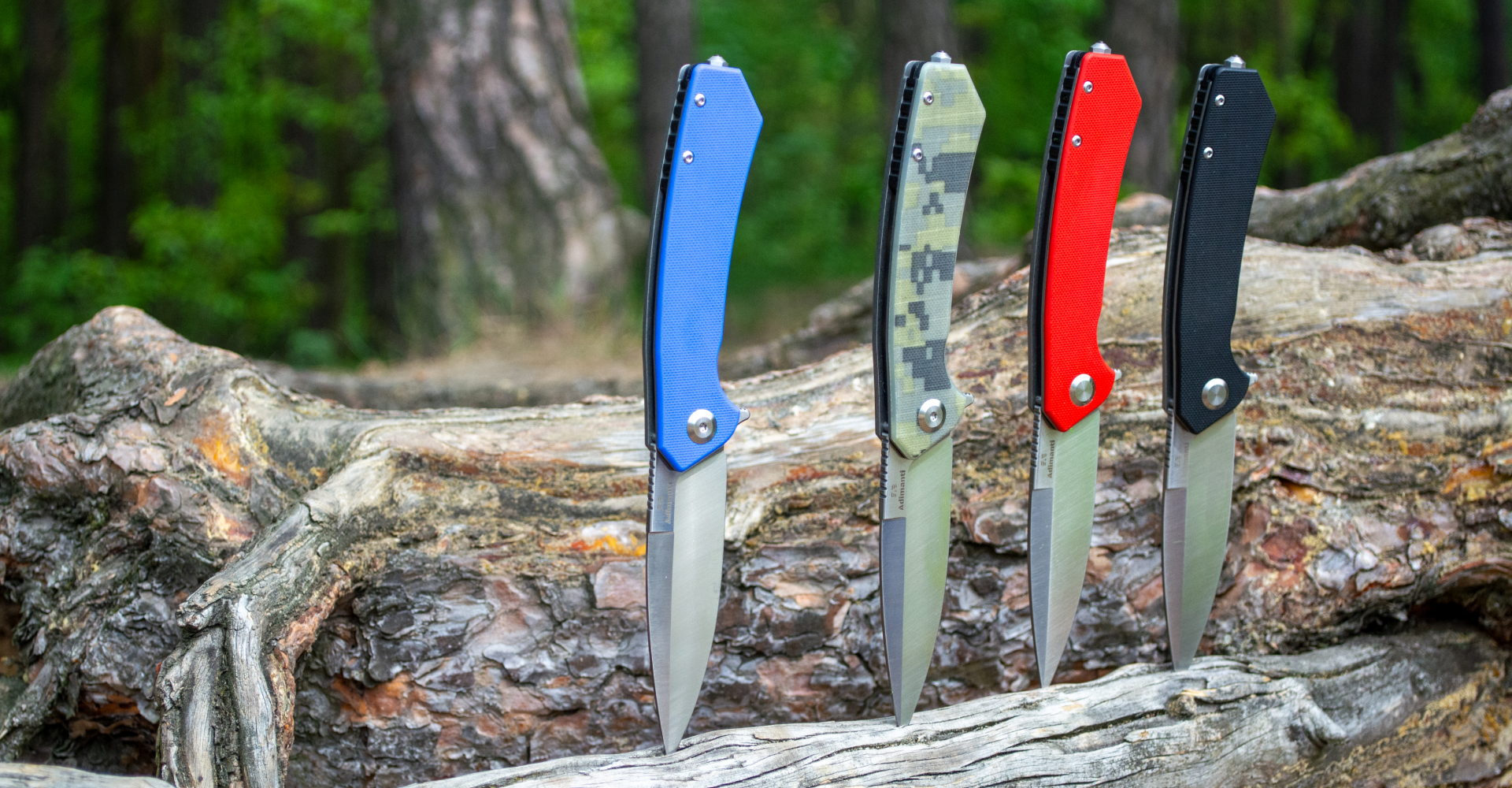
Carry One Reliable Knife
A quality folding knife is one of the most versatile tools you can bring.
During a weekend hike, it can help with:
- Food preparation
- Cutting rope
- Opening food packages
- Preparing tinder
- Carving tent stakes
- Minor gear repairs
- Everyday campsite tasks
Instead of packing multiple cutting tools, one dependable folding knife is usually all you need.
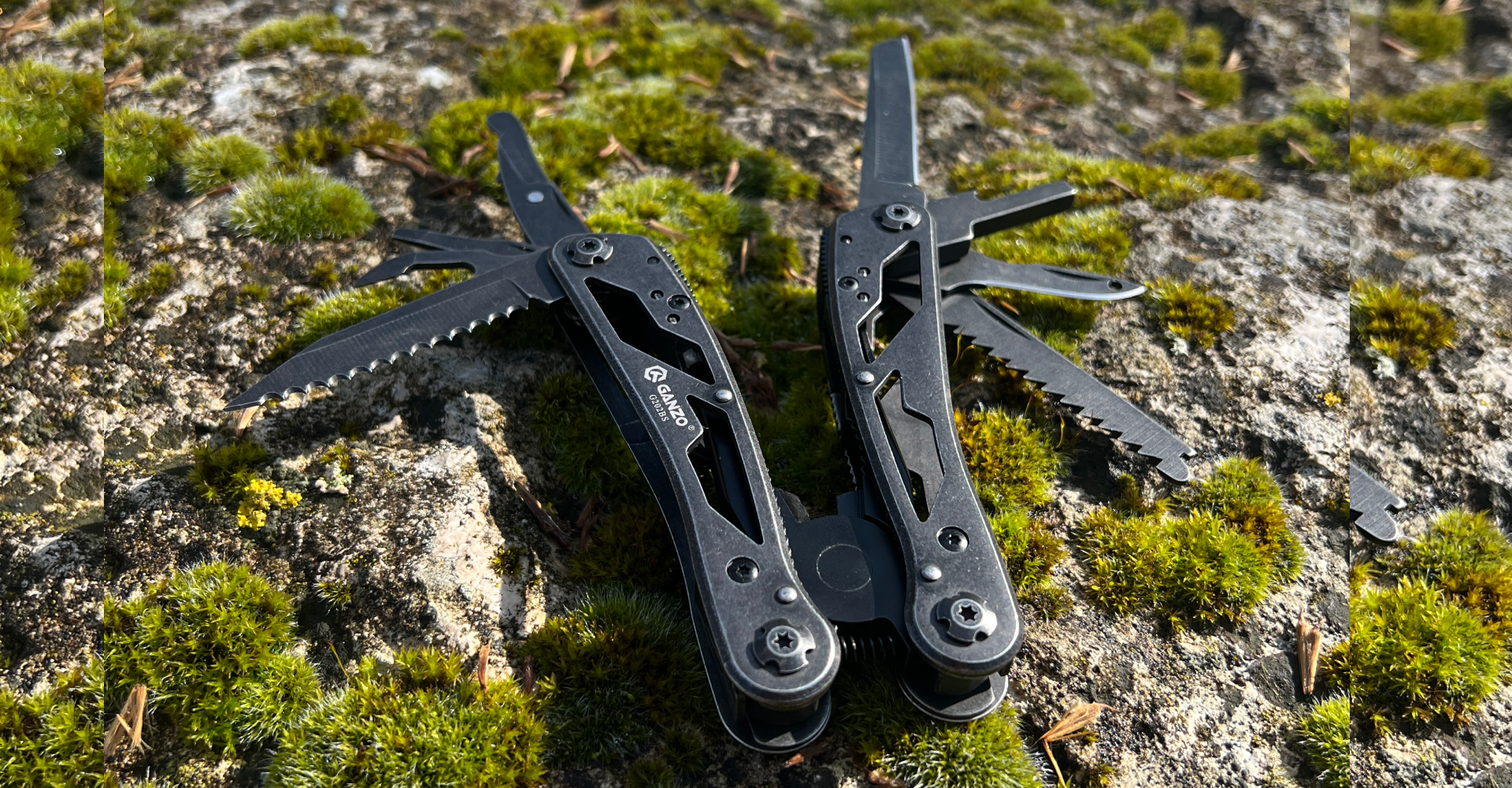
Don't Forget a Multi-Tool
While a folding knife covers most cutting tasks, a compact multi-tool can solve unexpected problems.
Pliers, screwdrivers, scissors, and wire cutters become incredibly useful when repairing equipment or making quick adjustments in the field.
For many hikers, a lightweight multi-tool provides peace of mind without adding much weight.
Pack a Basic Safety Kit
Minimalism should never come at the expense of safety.
Every weekend hiking kit should include:
- First aid kit
- Flashlight or headlamp
- Fire starter
- Power bank
- Navigation tools (map or GPS)
- Emergency whistle
- Water purification method
These items weigh very little but can make a huge difference if plans change unexpectedly.
Think About Water
Water is one of the heaviest things you'll carry.
Instead of bringing your entire supply, research reliable water sources along your route and pack a lightweight water filter or purification tablets.
This allows you to refill safely during the trip while keeping your backpack significantly lighter.
Follow the "Less Is More" Principle
Before placing any item in your backpack, ask yourself one simple question:
Will I realistically use this during a two-day trip?
If the answer is "probably not," leave it at home.
Experienced hikers know that every unnecessary item becomes extra weight after just a few miles on the trail.
A Sample Minimalist Weekend Packing List
Here's a simple checklist for a typical overnight hiking trip:
- 25–40 L backpack
- Lightweight tent or tarp
- Sleeping bag
- Sleeping pad
- Lightweight clothing layers
- Waterproof jacket
- Folding knife
- Compact multi-tool
- Cooking system
- Fuel canister
- Mug and spoon
- Water bottle or hydration bladder
- Water filter
- Freeze-dried meals and snacks
- Headlamp
- First aid kit
- Fire starter
- Phone and power bank
- Map or GPS
This setup provides everything needed for a comfortable weekend adventure while keeping pack weight manageable.
Enjoy the Freedom of Traveling Light
Minimalist hiking isn't about giving something up—it's about focusing on what truly matters.
A lighter backpack means less fatigue, better mobility, and more enjoyment on the trail. It allows you to spend less time managing equipment and more time appreciating nature.
With thoughtful planning and a few well-chosen essentials—including a reliable folding knife and a versatile multi-tool—you'll be ready for almost any weekend adventure without carrying unnecessary weight.
At Ganzo Knife, we believe that the best outdoor gear is equipment you can rely on. Smart, durable, and multifunctional tools help you travel lighter while staying prepared for whatever the trail brings.
