
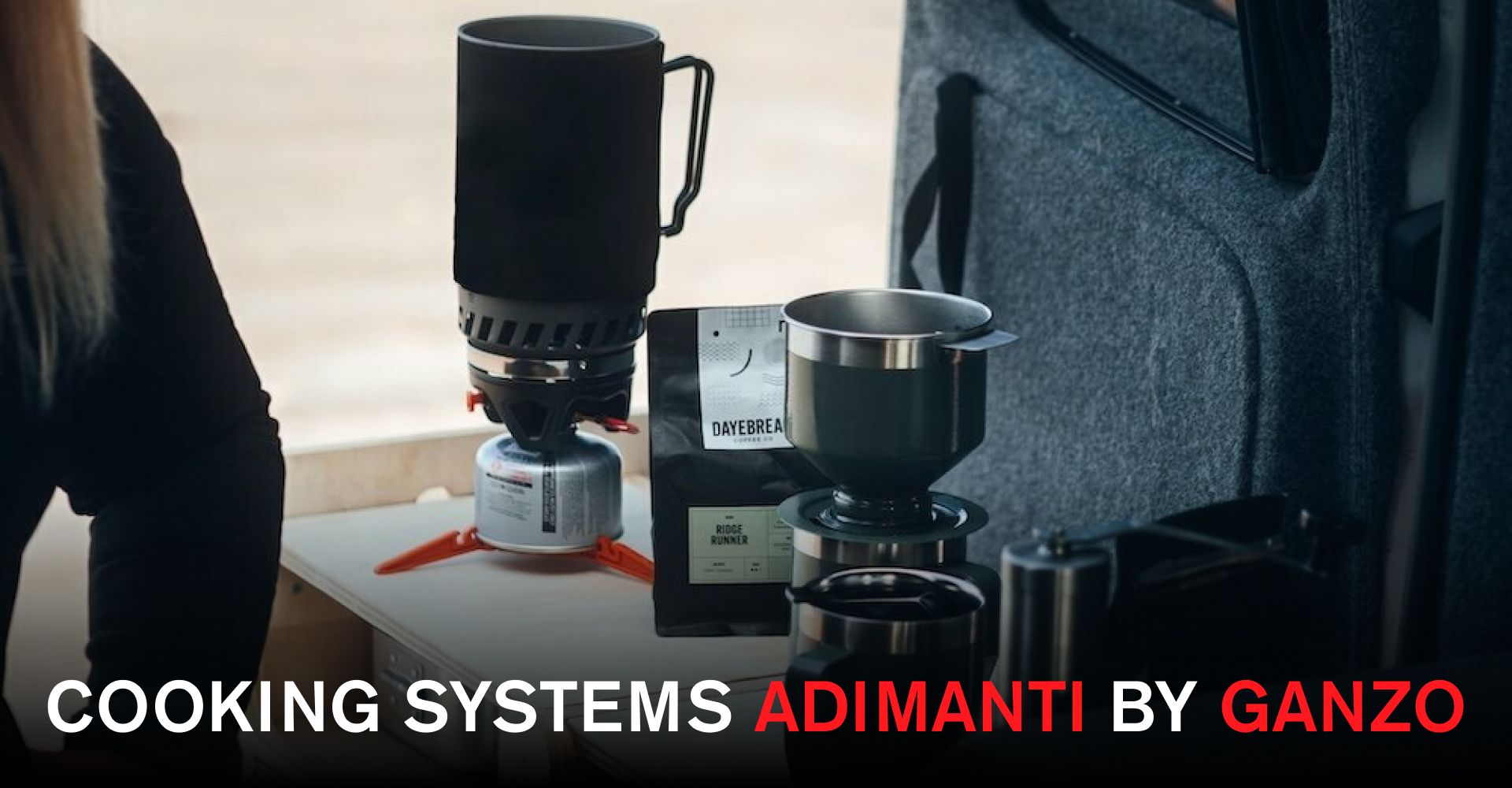
Camping Cooking Systems: Convenient and Simple Outdoor Meal Preparation
Organizing meals in camping conditions is very different from everyday cooking at home. Everything changes outdoors: your menu needs to focus on nutrition and energy, and you also need a specialized cooking setup designed for travel.
However, despite all the nuances of outdoor cooking, it is easy to master if you follow a few basic principles. In this article, we will explain what to cook with and how to prepare food while traveling so your meals are fast, convenient, and delicious.
Ready-to-Use Camping Cooking Systems: Convenience and Functionality
When preparing for a hiking trip, it is important to think not only about what you will eat, but also how you will carry everything. Both food and equipment should meet two essential requirements: compactness and lightweight construction, since everything must be carried on your back.
Camping food should also be highly nutritious and have a long shelf life. The exact set of products and equipment depends on the duration of the trip and the number of travelers. For a short one-day hike, a minimal setup is usually enough. But for longer outdoor adventures with a larger group, it is worth expanding the menu and bringing a more powerful cooking system with a larger pot capacity.
Food for Hiking: What Should You Consider?
Hiking requires a large amount of energy, and the longer or more difficult the route, the more calories your body burns.
During a hike at an average pace, a person typically burns around 2500–3500 kcal per day, while intense physical activity can increase this figure to 8000 kcal. To compensate for these energy losses and maintain endurance, your food must provide enough calories and nutrients.
Important Factors to Consider for Camping Meals
Balanced Nutrition Is the Key to Endurance
To support the body during physical activity, your meals should be balanced and varied:
- Proteins for muscle recovery
- Fats for stable body function
- Carbohydrates for energy
- Vitamins for immune support
Your backpack should include grains, nuts, dried fruits, meat products, and legumes. Dark chocolate with caffeine can also provide a quick energy boost during difficult sections of the route.
Dried Foods Mean Convenience
Crackers instead of fresh bread, clarified butter instead of regular butter, powdered milk, and powdered eggs are all lightweight and resistant to spoilage. Add freeze-dried meals to your food kit, and you get полноценные meals that require very little cooking time.
Simpler Packaging Means a Lighter Backpack
Metal cans and glass containers are the enemy of every hiker. Reusable plastic containers and vacuum-sealed bags help save space and reduce unnecessary weight. It is best to pre-pack food into individual portions for each meal.
On average, one person needs approximately 600–800 grams of food per day. However, don’t be surprised if your appetite decreases during the first days of the trip — this is part of the body’s adaptation to a new rhythm.
Acclimatization usually takes several days. After that, hunger becomes stronger and more frequent, so it makes sense to increase portion sizes to maintain energy levels throughout the route.
What Do You Need for Cooking While Camping?
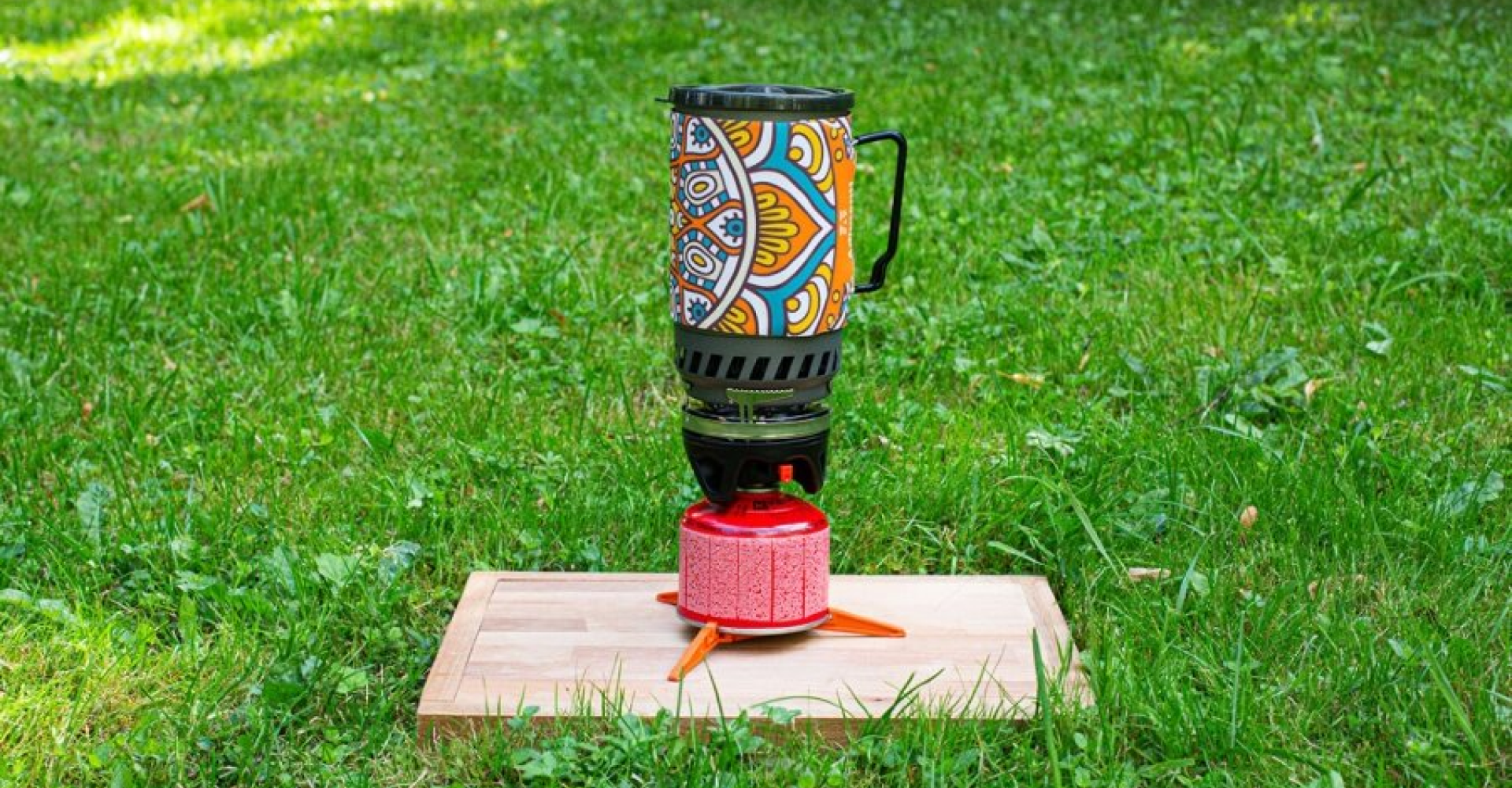
To prepare food outdoors, you need two basic things: a burner and camping cookware.
Of course, you can assemble the setup yourself by selecting a burner and matching pots separately. However, it is much more convenient and practical to use an integrated cooking system, where everything is already designed and combined into one compact solution.
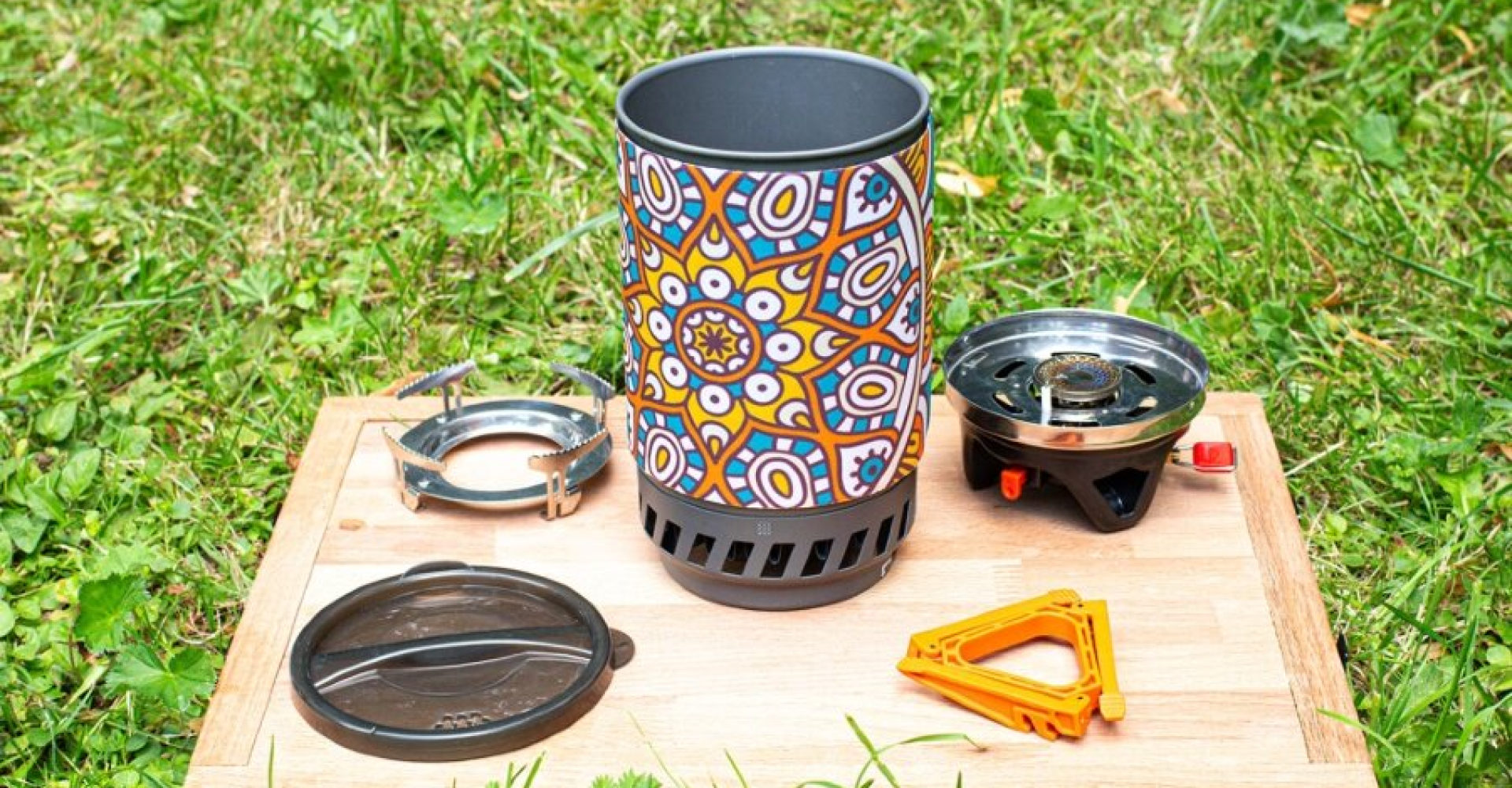
A camping cooking system consists of two main parts: a burner and a pot that securely locks onto the burner using a snap-on mechanism. The entire construction is designed to remain stable, save fuel, and operate efficiently even in difficult weather conditions.
Advantages of a Camping Cooking System
Convenience and Compactness
A cooking system includes everything necessary for meal preparation, eliminating the need to select separate accessories individually. In addition, most components can be packed inside each other, saving valuable space in your backpack.
Fast Cooking
Built-in wind protection is one of the biggest advantages of modern cooking systems. Even in strong winds, the burner continues operating efficiently while heat is directed straight to the bottom of the pot instead of dissipating into the air.
As a result, water boils faster, meals cook quicker, and you save valuable fuel during the trip.
Safety
The pot locks securely onto the burner, preventing accidental slipping or tipping during cooking. Many systems also include detachable stabilizing legs that improve balance on uneven terrain.
Camping Cooking Systems: Tips for Choosing the Right One
Choosing the right cooking system depends directly on the format of your trip: how many people are in the group and how long the journey will last.
For short solo hikes, a compact system with a smaller pot capacity is usually sufficient. For multi-day trips with several people, a larger and more powerful setup is the better choice.
Here are the key specifications to pay attention to:
Power
Power determines how quickly water boils and food cooks. Burner power is measured in watts — the higher the number, the faster the cooking process.
- Around 1500W is sufficient for solo hiking trips
- 2000W or more is recommended for larger groups or harsh weather conditions
Materials
The best option is anodized aluminum. It is lightweight, corrosion-resistant, and heats up quickly. This material is durable and easy to clean — usually requiring only a quick rinse with water after use.
Pot Capacity
The required pot volume depends on the number of travelers:
- 0.5–0.8 L — for one person
- 1–1.5 L — for two people
- 1.7–2.5 L — for three or more users
It is always better to choose a slightly larger capacity so you can boil water for both food and tea at the same time.
Compact Storage Matters
Besides technical characteristics, transportation convenience is equally important. All components of the system should fit compactly inside one another, leaving enough room in your backpack for the rest of your gear.
For protection and easy transportation, the set should also include a storage case. This helps keep the equipment clean, prevents scratches, and protects the metal surfaces during travel and storage.
