
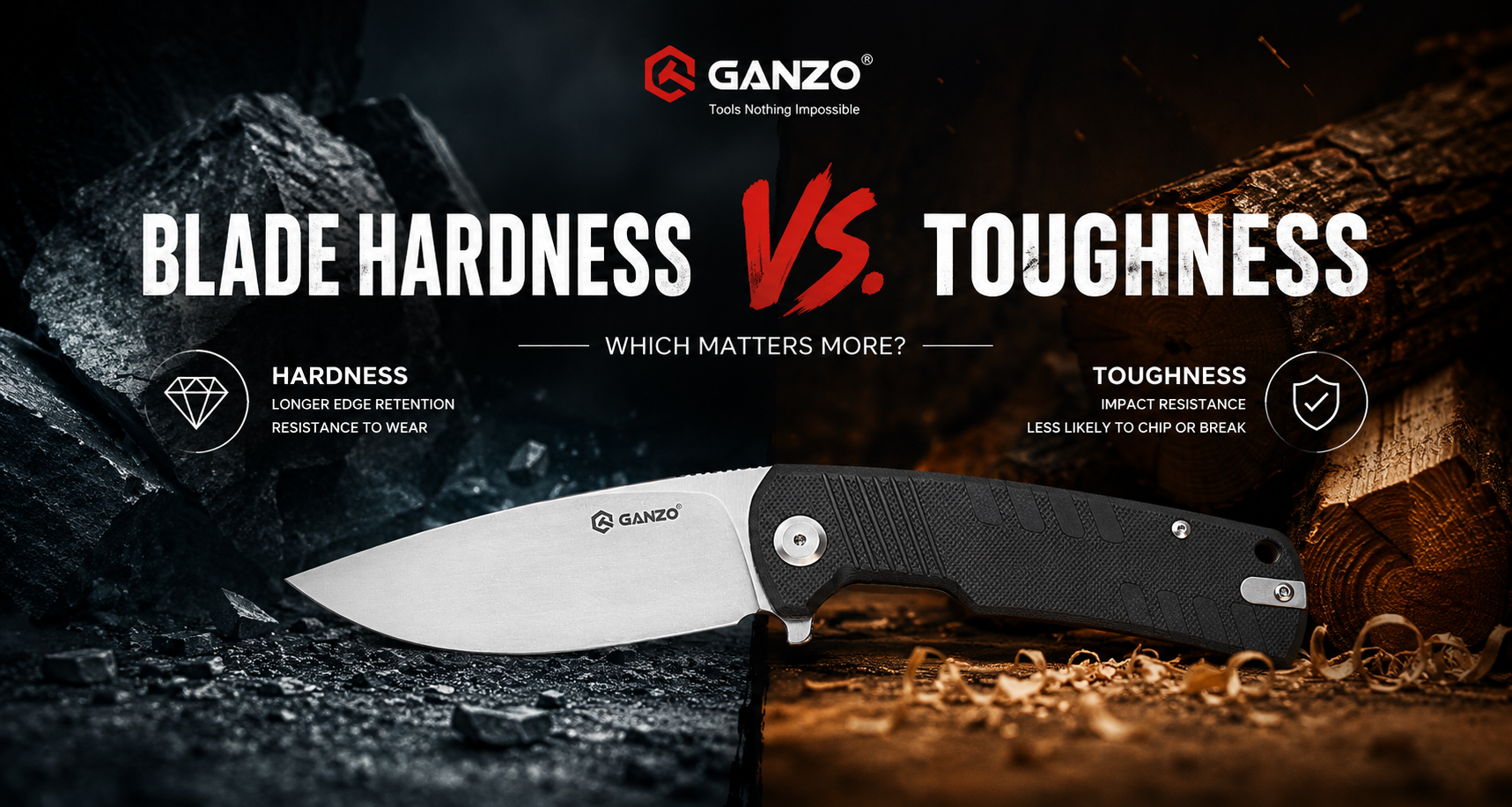
Blade Hardness vs. Toughness: Which Matters More?
When choosing a knife, many buyers focus on one specification above all others: blade hardness. A higher HRC rating is often associated with better performance, longer edge retention, and premium quality. But hardness is only one part of the equation.
Another equally important characteristic is toughness—the blade's ability to resist chipping, cracking, or breaking under impact and heavy loads.
So which is more important: hardness or toughness? The answer depends entirely on how you plan to use your knife. Understanding the balance between these two properties will help you choose the right blade for your needs.
What Is Blade Hardness?
Blade hardness refers to a steel's resistance to deformation and wear. It is typically measured using the Rockwell Hardness Scale (HRC).
In general, the harder the blade:
- The longer it retains a sharp edge.
- The better it resists abrasive wear.
- The less frequently it needs sharpening.
However, hardness comes with trade-offs. As hardness increases, the steel often becomes less flexible and more susceptible to chipping if subjected to heavy impacts or improper use.
This is why an extremely hard blade is not always the best choice for every situation.
What Is Blade Toughness?
Toughness is the ability of a blade to absorb impact and resist cracking or breaking under stress.
A tough blade is more forgiving during demanding tasks such as:
- Batoning small pieces of wood
- Cutting through hard materials
- Twisting during cuts
- Outdoor survival tasks
- Heavy-duty work around camp
Instead of chipping, a tougher blade is more likely to flex slightly or dull over time—both of which are generally easier to deal with than a broken edge.
For outdoor enthusiasts, toughness is often one of the most valuable characteristics a knife can have.
Why Hardness and Toughness Work Against Each Other
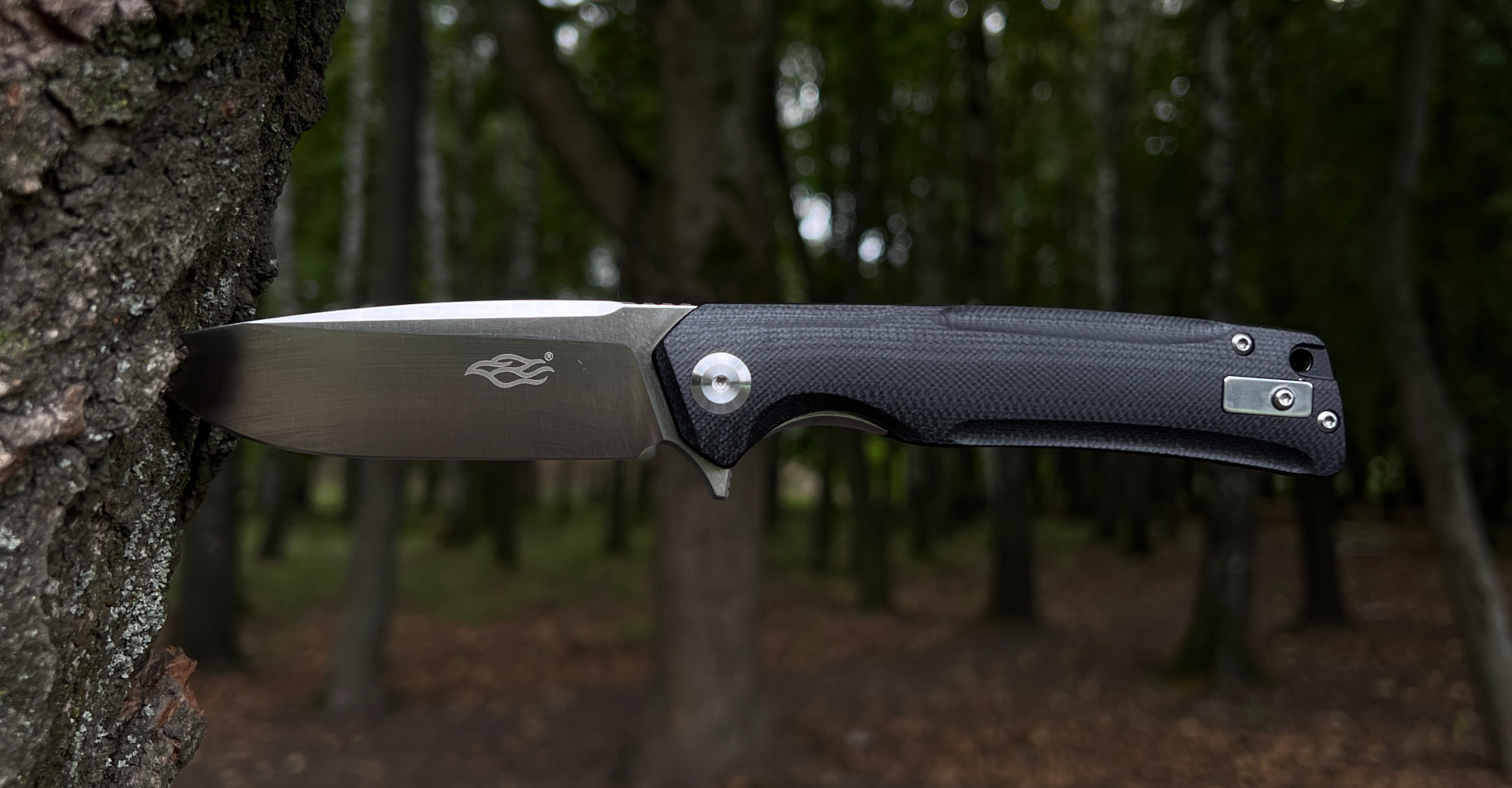
One of the biggest challenges in knife manufacturing is balancing hardness and toughness.
Increasing hardness generally improves edge retention but reduces impact resistance. Increasing toughness improves durability under stress but may reduce how long the edge stays sharp.
Because of this relationship, no knife can maximize both properties at the same time.
Knife designers carefully select steel types and heat treatment processes to achieve the best compromise for a knife's intended purpose.
Choosing the Right Balance
The ideal combination depends on how you use your knife.
Everyday Carry (EDC)
For everyday cutting tasks such as opening packages, slicing rope, food preparation, or general utility work, a blade with medium to high hardness performs very well.
Good edge retention means less frequent sharpening while still providing enough durability for daily use.
Outdoor and Camping
Camping and bushcraft knives often face heavier workloads.
Preparing firewood, carving tent stakes, processing branches, and handling unpredictable outdoor conditions require a blade that balances edge retention with excellent toughness.
A blade that is slightly easier to sharpen but less prone to chipping is often the better choice for wilderness use.
Tactical and Survival Applications
In survival situations, reliability matters more than maximum hardness.
A knife may be used for shelter building, emergency repairs, food preparation, or demanding cutting tasks where unexpected impacts are common.
A blade with good toughness offers greater confidence in these environments.
Steel Is Only Part of the Story
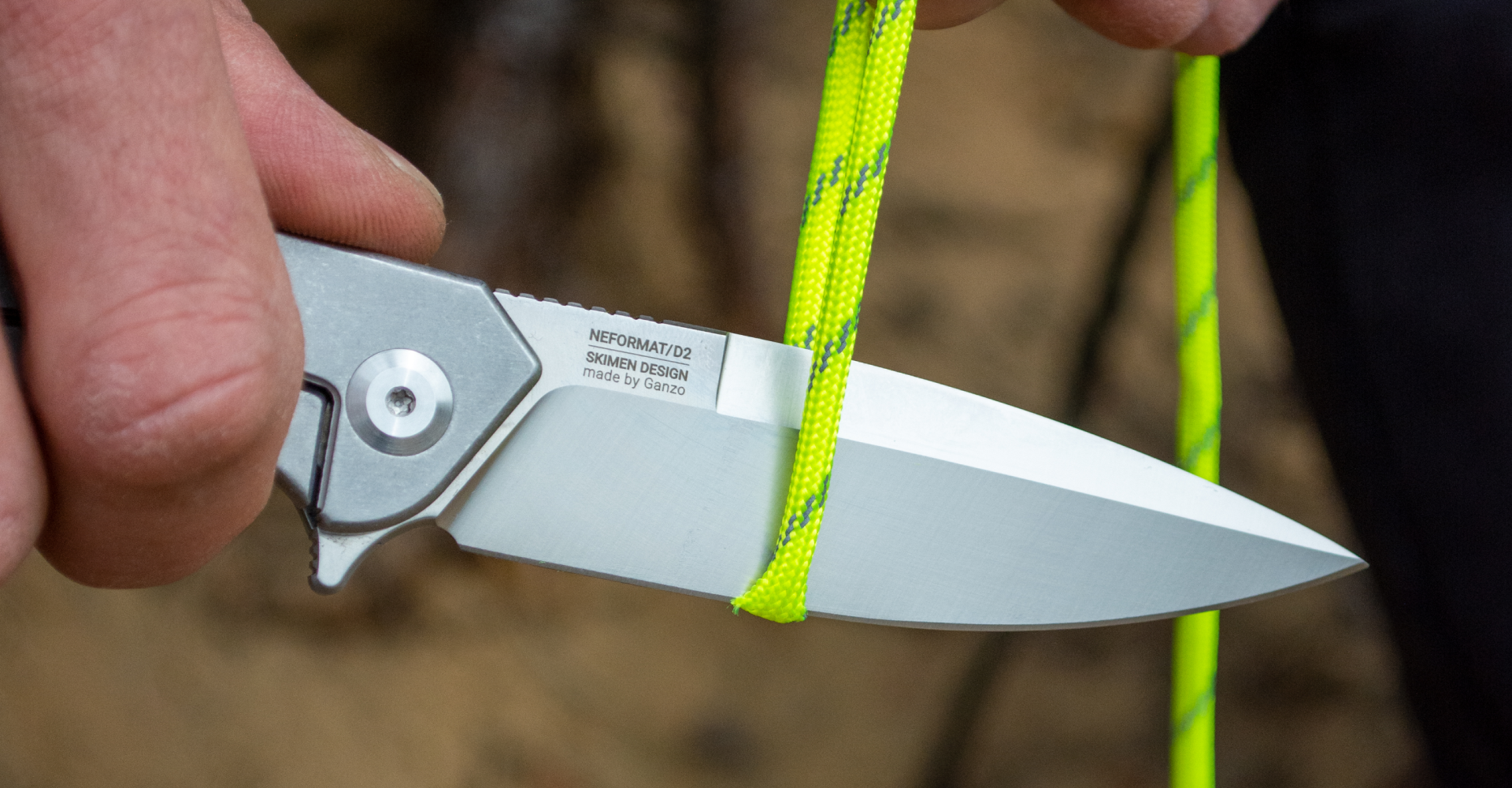
Many people compare knives based solely on steel type, but heat treatment plays an equally important role.
The same steel can perform very differently depending on how it has been hardened and tempered.
A well-executed heat treatment creates the balance between hardness, toughness, corrosion resistance, and edge stability that determines real-world performance.
This is why reputable manufacturers invest significant effort into optimizing their heat-treatment process rather than simply choosing harder steel.
Finding the Sweet Spot
For most users, the best knife is not the one with the highest HRC rating—it is the one that offers the right balance for its intended purpose.
Most quality folding knives and outdoor knives are designed within a hardness range that delivers:
- Excellent edge retention
- Reliable toughness
- Good corrosion resistance
- Easy maintenance
- Long service life
This balanced approach makes the knife versatile enough for everyday carry while remaining dependable during outdoor adventures.
Hardness Isn't Everything
It's easy to assume that a harder blade is automatically a better blade, but that isn't always true.
An ultra-hard edge may stay sharp longer, but if it chips during demanding use, the benefits quickly disappear. Likewise, an extremely tough blade that dulls after a few cuts may become frustrating for everyday tasks.
The best-performing knives strike a careful balance between these two essential properties.
Whether you're carrying a knife for everyday use, hiking, camping, hunting, or bushcraft, choosing a blade with the right combination of hardness and toughness will provide better performance, greater reliability, and a longer service life.
At Ganzo Knife, every model is designed with this balance in mind, ensuring that users receive dependable cutting performance without sacrificing durability—because in the outdoors and in everyday life, reliability is what matters most.
